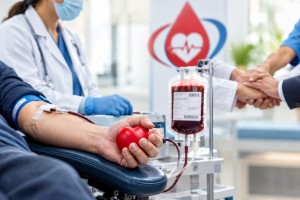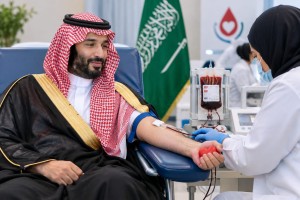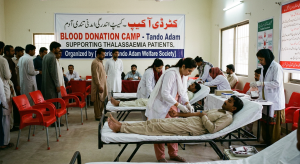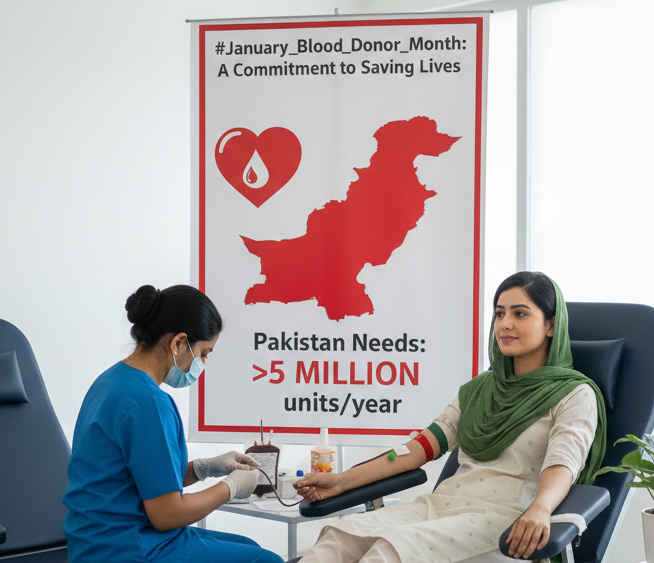
January Blood Donor Month emphasizes the essential role of voluntary, regular, and safe blood donations, particularly during winter when supplies often dwindle while demand holds steady for emergencies, surgeries, maternal health, trauma care, cancer treatment, and chronic conditions like thalassemia. A single donation can save up to three lives, and since blood cannot be manufactured, community involvement is crucial for maintaining a stable, safe supply.
In Pakistan, medical facilities require more than 5 million units annually projected to rise to 5.6 million by 2030 yet only about 2.3 million are collected, representing less than half the need. This gap equates to roughly 8,000–14,000 units daily or 400,000 monthly. Key drivers include the high burden of diseases like thalassemia, which demands transfusions every 2–4 weeks, alongside hemophilia, cancers, anemia, infections, surgeries, trauma, and maternal complications.
Compounding the issue, only 18% of donations are voluntary and unpaid, with most sourced from family or replacement donors, which are less safe and sustainable. Cultural barriers, low public awareness, and seasonal factors like holidays, weather, and outbreaks further limit turnout, leading to reactive donor searches rather than a proactive pool. Reliable blood access is vital for emergencies, childbirth, operations, and chronic care, reflecting social responsibility and strengthening healthcare resilience.
This January, professionals, students, and youth are encouraged to become regular donors, fostering a culture of preparedness and compassion to close the shortfall.