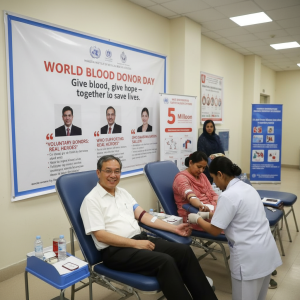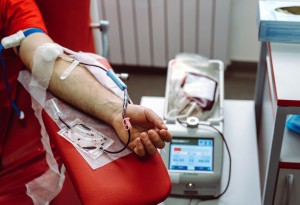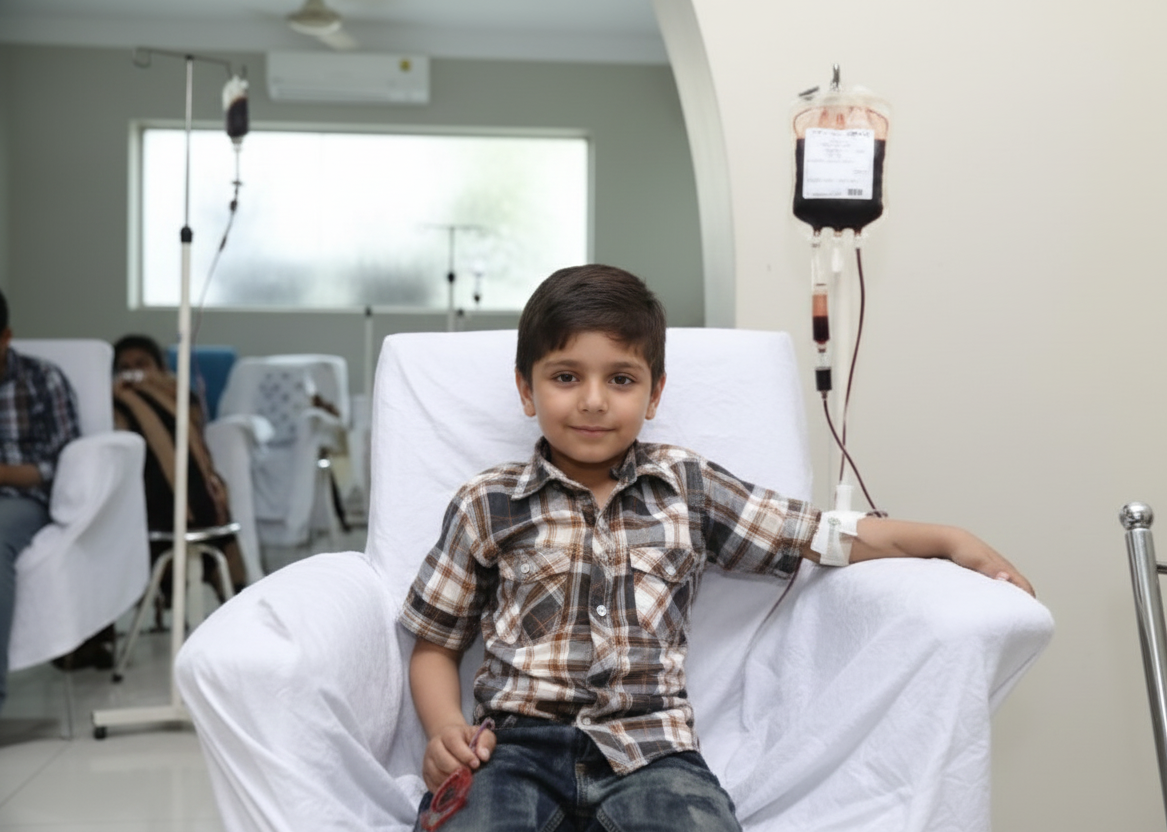
On the occasion of World Blood Donor Day (June 14), healthcare leaders issued a sharp call for a national transformation in Pakistan's blood donation culture. Experts stressed that the country must move away from its dangerous reliance on "replacement" donors to adopt a system based on safe, voluntary, unpaid donations.
This appeal addresses a devastating reality: Pakistan receives less than half of the five million blood units required annually, resulting in preventable illness and death.
The Donation Crisis
The core of the problem lies in the source of donations. According to official data cited by the Pakistan Medical Association (PMA):
-
90% of current blood donations are still provided by family members or friends (replacement donors).
-
A mere 10–18% are truly voluntary and unpaid.
This reliance on non-voluntary donors often delays essential treatment and poses higher safety risks. The PMA emphasized that voluntary donors are the safest and most sustainable source, as they are less likely to carry infectious diseases.
The annual theme, "Give blood, give hope: together we save lives," highlighted the profound impact of individual generosity. Experts pointed out that a single unit of blood can save up to three lives.
Ensuring Safety and Supply
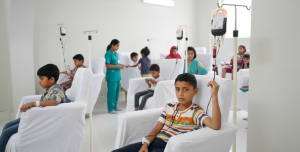
A reliable, voluntary blood supply is crucial for patients undergoing surgeries, new mothers, and those with chronic life-threatening conditions like thalassaemia, haemophilia, and cancer.
The PMA urged the government and all stakeholders to:
-
Invest in and sustain national blood programmes.
-
Ensure robust screening and testing protocols to guarantee blood product safety.
-
Encourage healthy individuals, particularly the youth, to recognize their civic duty and become regular donors.
The 'Indus Zindagi' Movement
Demonstrating the commitment to change, the Indus Hospital and Health Network (IHHN) hosted the Indus Zindagi Blood Donor Recognition Ceremony. This event celebrated partners—from corporations to educational institutes who are championing voluntary donation.
Dr. Saba Jamal, Senior Director of Blood Transfusion Services at IHHN, described the initiative as more than just a campaign: "The Indus Zindagi is a movement... to reshape the culture of blood donation in Pakistan." The effort, which also includes a national video competition, aims to inspire a cultural shift towards 100% voluntary contributions across the country