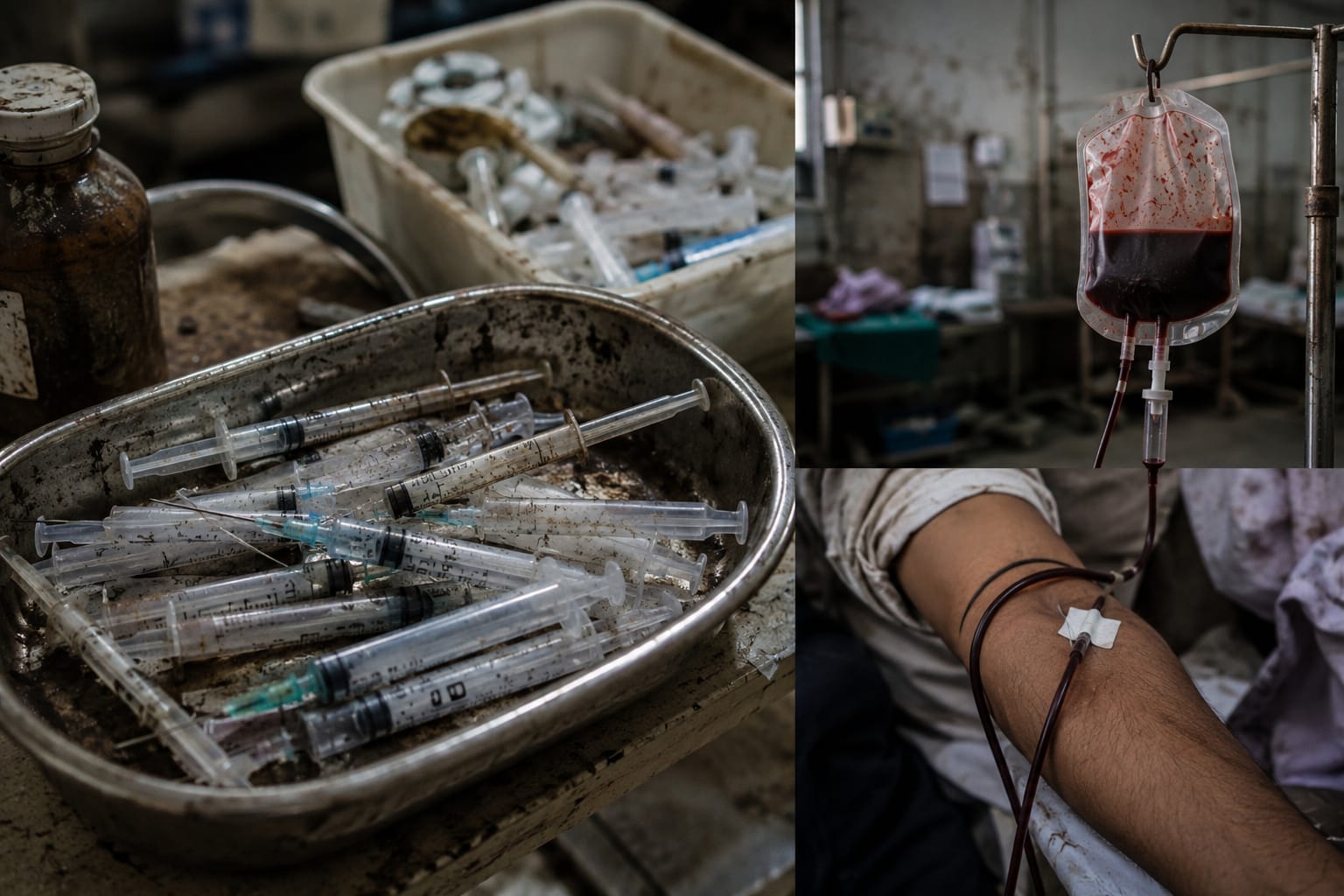
Pakistan’s healthcare system is facing a growing public health crisis, with rising HIV and hepatitis C infections highlighting serious gaps in healthcare safety, governance, funding and accountability.
The spread of HIV among children through unsafe medical practices, including reused syringes and unscreened blood transfusions, has raised serious concerns about infection-control standards in healthcare facilities. Thousands of children are reportedly affected, while many cases may remain undiagnosed.
Hepatitis C presents an even broader challenge, with Pakistan carrying one of the world’s largest infected populations. Both HIV and hepatitis C can spread through unsafe medical procedures, making effective infection control, blood screening and proper healthcare regulation critical.
Healthcare System Failures
The situation highlights weaknesses at multiple levels of Pakistan’s healthcare system. Patients, particularly those in smaller cities and rural areas, often rely on under-resourced public facilities and poorly regulated private healthcare providers.
Children infected with HIV require lifelong treatment and regular monitoring. Interruptions in essential testing and treatment services can increase the risk of advanced disease and long-term health complications, including impaired growth and developmental problems.
The crisis also raises questions about the management of healthcare resources. Pakistan relies heavily on international assistance for HIV, tuberculosis and malaria programmes, while significant funds have reportedly remained unspent. Vacant positions in federal and provincial health programmes further compound concerns over implementation and accountability.
Broader Public Health Challenges
The HIV crisis is part of a wider healthcare challenge in Pakistan. The country continues to face high neonatal mortality, widespread maternal anaemia, childhood stunting, polio transmission, diabetes, hypertension and mental health concerns.
Healthcare inequality remains another major issue. Government health spending varies significantly between districts, leaving populations in poorer and underserved areas with limited access to quality medical services.
Need for Healthcare Reform
The growing HIV and hepatitis C burden underscores the need for comprehensive healthcare reforms focused on safe medical practices, effective disease surveillance, blood screening, infection control, healthcare regulation and accountability.
Experts and policymakers face increasing pressure to address systemic weaknesses rather than isolated health emergencies. Strengthening Pakistan’s healthcare infrastructure and ensuring equitable access to quality medical services will be essential to preventing further disease transmission and protecting vulnerable communities.
The current crisis highlights the need for sustained political commitment, stronger governance and coordinated reforms across federal and provincial healthcare systems.