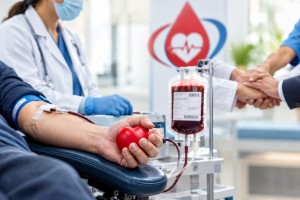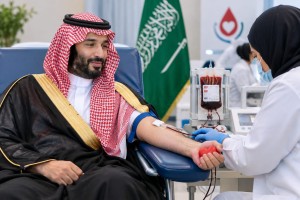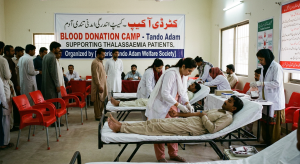
For many people, donating blood is a simple way to make a meaningful difference in someone else’s life. A single donation can help patients who need blood because of surgery, injury, cancer treatment, childbirth complications, or other medical conditions.
But there is another side of blood donation that deserves attention: the donor’s own iron status.
Iron is essential for making hemoglobin, the protein inside red blood cells responsible for carrying oxygen throughout the body. When you donate whole blood, you lose red blood cells – and with them, a meaningful amount of iron. Your body can replace the fluid portion of donated blood relatively quickly, but replacing red blood cells and rebuilding the iron used to make them can take considerably longer.
For occasional donors, the body may be able to keep up with this demand. For people who donate frequently, however, repeated donations can gradually reduce iron stores and increase the risk of iron deficiency.
That is why understanding iron is an important part of taking care of yourself as a blood donor.
Why does blood affect iron?
Iron is a mineral your body needs to produce hemoglobin. Hemoglobin allows red blood cells to transport oxygen from the lungs to tissues throughout the body. Iron is also involved in several other biological processes, including energy metabolism and hormone production. The National Institutes of Health Office of Dietary Supplements provides a detailed overview of iron’s functions and dietary sources.
When you donate whole blood, you lose red blood cells. Your body then has to manufacture new ones to replace what was lost. That process requires iron.
The amount of iron lost with a whole-blood donation is not trivial. Research involving blood donors has consistently shown that repeated donation is associated with declining iron stores, particularly when donations occur frequently.
This is important because a donor can feel healthy and still have progressively declining iron stores.
Hemoglobin and Ferritin are Not the Same Thing
One of the most important distinctions for blood donors is the difference between hemoglobin and ferritin.
Before donating, blood centers typically screen donors for hemoglobin to help determine whether they can safely donate. Hemoglobin tells us how much hemoglobin is currently present in the blood.
Ferritin, on the other hand, is commonly used as a marker of the body’s stored iron.
These measurements provide different pieces of information.
A person can have a hemoglobin level that is high enough to donate while already having depleted or declining iron stores. In other words, passing a hemoglobin screening does not necessarily mean that your iron stores are optimal.
This distinction has been demonstrated in blood-donor research. In the RISE study, researchers found substantial iron depletion among donors, including donors who were eligible to donate based on hemoglobin screening.
How Much Iron do Blood Donors Need?
The amount of iron a person needs from their diet varies according to age, sex, and stage.
According to the NIH Office of Dietary Supplements, the recommended dietary allowance for adults ages 19-50 is:
- 8 mg per day for men
- 18 mg per day for women
- 27 mg per day during pregnancy
- 8 mg per day for adults age 51 and older
These recommendations are designed for the general population, not specifically for frequent blood donors.
That distinction matters.
A person who regularly loses blood through donation may have higher iron needs than someone who does not donate. Diet can contribute to maintaining iron status, but dietary intake alone does not guarantee that a frequent donor will maintain adequate iron stores.
The RISE study found that donation frequency was a particularly important predictor of iron depletion, suggesting that simply relying on the body’s normal iron balance may not be enough for some frequent donors.
Not all Dietary Iron is Absorbed the Same Way
Iron in food comes in two primary forms: heme iron and non-heme iron.
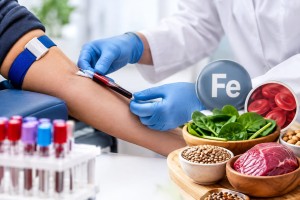
Heme iron is found in animal foods such as meat, poultry, and seafood. Non-heme iron is found primarily in plant foods and fortified foods.
Examples of iron-containing foods include:
Heme iron sources
- Beef and other red meats
- Poultry
- Seafood and shellfish
Non-heme iron sources
- Lentils
- Beans
- Peas
- Spinach
- Nuts and seeds
- Iron-fortified breakfast cereals
- Iron-fortified breads and grains
That does not mean people who follow vegetarian or plant-based diets cannot get enough iron. It simply means that paying attention to food combinations becomes particularly useful.
Vitamin C Can Help
One simple way to improve the absorption of non-heme iron is to pair iron-containing plant foods with foods rich in vitamin C.
For examples:
- Lentils + tomatoes
- Black beans + bell peppers
- Iron-fortified cereal + strawberries
- Spinach + citrus
- Chickpeas + broccoli
Vitamin C enhances non-heme iron absorption. The NIH specifically identifies foods such as citrus fruits, strawberries, sweet peppers, tomatoes, and broccoli as vitamin C sources that can be paired with plant sources of iron.
This is a good example of why nutrition is about more than simply counting nutrients. What you eat together can influence how much of a nutrient your body can use.
What About Coffee and Tea?
There is another side to iron absorption: some dietary components can reduce the absorption of non-heme iron.
Polyphenols found in beverages such as tea and coffee can interfere with non-heme iron absorption when consumed with a meal.
This does not mean blood donors need to give up coffee or tea. Instead, someone who is concerned about iron status – particularly a frequent donor – may benefit from avoiding large amounts of coffee or tea right alongside their most iron-rich meals.
For someone whose iron stores are already low, discussing dietary strategies with a registered dietitian or other qualified healthcare professional can help determine what changes are actually appropriate.
Who is Most Likely to be at Risk?
Not every blood donor has the same risk of iron depletion.
Research has identified several factors associated with lower iron stores, including:
- Frequent whole-blood or red blood cell donation
- Shorter intervals between donations
- Younger age
- Menstruation
- Lower baseline iron stores
- Certain dietary patterns or inadequate iron intake
Can Food Alone Replace the Iron Lost Through Donation?
This is where the answer becomes more complicated.
Eating a balanced diet that contains adequate iron is important, but research suggests that diet alone may not always be sufficient to replace the iron lost through repeated blood donation.
A particularly important randomized clinical trial published in JAMA examined 215 blood donors after they donated a unit of whole blood. Participants were assigned either to take a low-dose iron supplement or no iron for 24 weeks.
That does not mean every blood donor should automatically start taking an iron supplement.
It does mean that iron loss from donation is real, and for some donors, dietary intake alone may not fully replace what is lost.
Should Blood Donors Take an Iron Supplement?
This is one area where individual circumstances matter.
Iron supplements can be useful for people who are iron deficient or who are at increased risk of depletion. However, iron is not a nutrient where “more is better.” Taking unnecessary iron can cause gastrointestinal side effects and, in some circumstances, contribute to excessive iron accumulation.
A healthcare professional may consider factors such as:
- How often you donate
- Your age and sex
- Menstrual blood loss
- Your diet
- Your hemoglobin results
- Your medical history
- Symptoms that could suggest iron deficiency
- Ferritin or other laboratory results, when appropriate
What Can Donors do Through Nutrition?
Nutrition cannot eliminate the iron loss that occurs with whole-blood donation, but it can help support the body’s ability to make new red blood cells.
For donors, a practical approach is to regularly include iron-rich foods rather than trying to “catch up” with one large meal after donating.
Some simple options include:
Breakfast
- Iron-fortified cereal with strawberries
- Eggs with whole-grain toast and fruit
- Oatmeal with nuts and fruit
Lunch
- Lentil soup with a tomato-based salad
- Bean and chicken burrito bowl with peppers
- Tuna or salmon sandwich with vegetables
Dinner
- Lean beef with roasted vegetables and potatoes
- Chicken with lentils and broccoli
- Bean chili topped with tomatoes and served with a side of peppers
Snacks
- Nuts and dried fruit
- Hummus with bell peppers
- Fortified whole-grain cereal
- Roasted chickpeas
The goal isn’t to create a “perfect donor diet.” It is to build a diet that consistently provides iron and the other nutrients involved in blood-cell production.
Don’t Forget the Rest of the Diet
Iron gets most of the attention when discussing blood donation, but it is not the only nutrient involved in making healthy red blood cells.
Vitamin B12 and folate are also essential for normal red blood cell production. Protein provides amino acids needed to build body tissues and proteins such as hemoglobin. A varied diet that includes adequate amounts of these nutrients is therefore important for overall nutritional health.
For most people, this means focusing on dietary variety rather than a collection of individual “blood-building” foods.
Lean meats, seafood, eggs, dairy products, beans, lentils, whole grains, fruits, vegetables, nuts, and fortified foods can all have a place in a balanced diet.
What Should Donors Remember?
Blood donation is an incredible act of generosity, but taking care of yourself is part of being a sustainable donor.
If you donate occasionally, eating a varied diet and maintaining good overall nutrition may be all that is needed to support your recovery.
If you donate frequently, however, iron deserves more attention.
Repeated whole-blood donations can gradually reduce iron stores – even before anemia develops. Hemoglobin screening helps determine whether you currently meet donation requirements, but it does not necessarily reflect the amount of iron stored in your body.
Paying attention to iron-rich foods, pairing plant sources of iron with vitamin C, maintaining a balanced diet, and talking with a healthcare professional about whether ferritin testing or iron supplementation is appropriate can all be part of a thoughtful approach to donor health.
Most importantly, you don’t have to choose between helping others and taking care of yourself.
A healthy blood donation system depends on both.
A Final Note for Donors
If you regularly donate blood and experience persistent fatigue, weakness, decreased exercise tolerance, dizziness, restless legs, or other symptoms that concern you, don’t assume they are simply a normal part of donating. Talk with your healthcare provider.
And remember: never start an iron supplement simply because you donate blood. Your individual needs are different, and a healthcare professional can help determine whether supplementation is appropriate.
Blood donors give an extraordinary gift. Making sure donors have the information they need to protect their own health helps make that gift sustainable.
Author: Katelyn Curtis
Author bio: Katelyn Curtis hold both a bachelor's and master's degree in food science and nutrition, and I'm passionate about making nutrition more approachable and grounded in real life. My work centers on an all-foods-fit approach, with an emphasis on balance rather than restriction and moving away from labeling foods as "good" or "bad"
I'm particularly interested in diabetes care and in breaking down trending nutrition topics in a way that is clear, evidence-based, and practical. Living with Type 1 Diabetes for the past 25 years has shaped my perspective and continues to inform my approach to nutrition - one that prioritizes sustainability, flexibility, and real-world application.