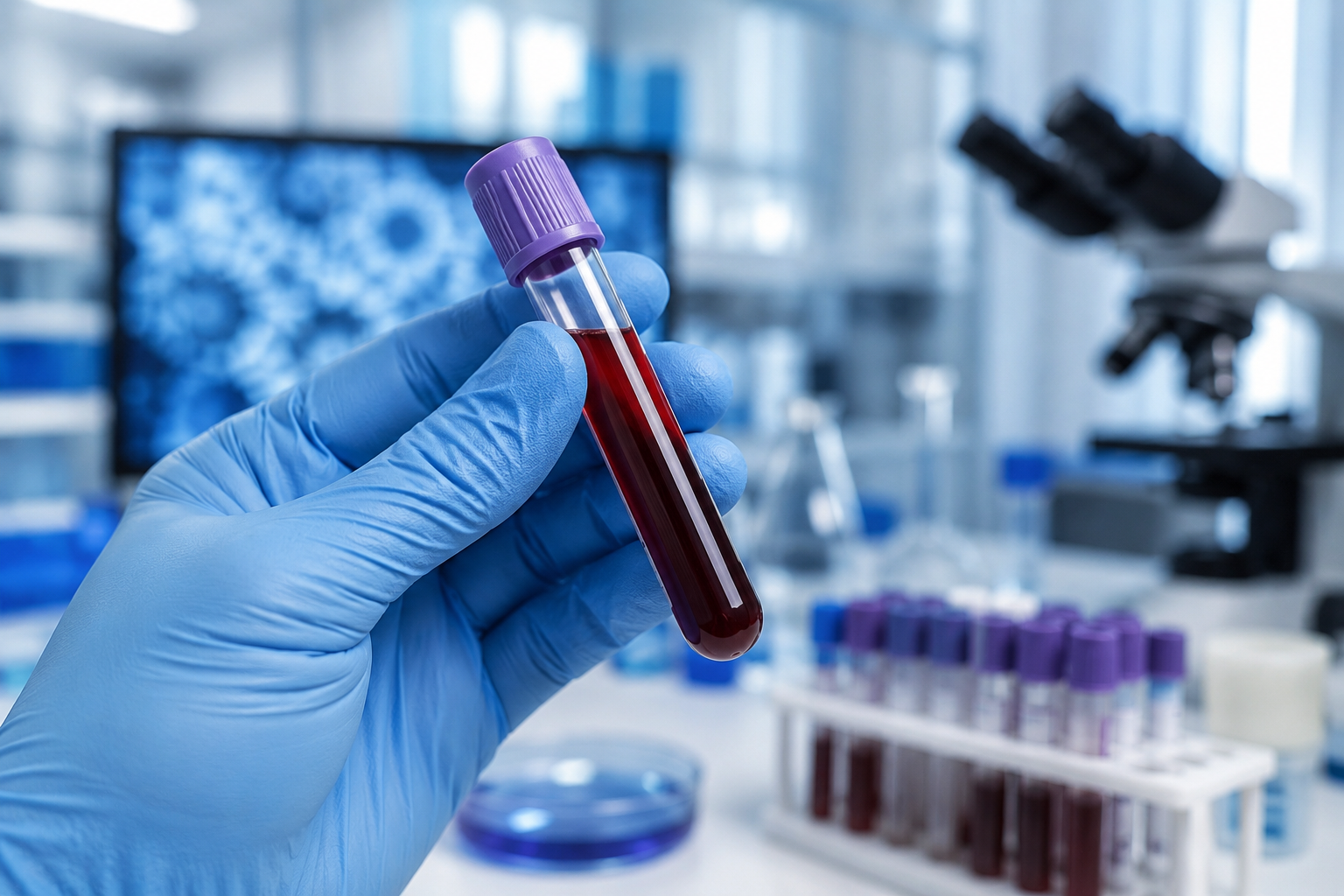
Researchers at UCLA have developed a relatively simple and affordable blood test that could eventually help detect multiple types of cancer, liver diseases and signs of organ damage from a single blood sample. The experimental test, called MethylScan, analyzes fragments of DNA circulating naturally in the bloodstream.
Published in the Proceedings of the National Academy of Sciences, the research suggests that blood-based DNA analysis could provide doctors with important information about disease at an earlier stage while potentially reducing the need for expensive or invasive diagnostic procedures.
How the MethylScan Blood Test Works
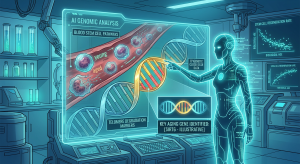
MethylScan examines cell-free DNA (cfDNA), small fragments of genetic material released into the bloodstream as cells die. Because cells throughout the body continuously release DNA, these fragments can carry molecular signals about the condition of different organs.
Rather than focusing primarily on genetic mutations, the UCLA researchers examined DNA methylation, chemical changes that influence how genes function. Different tissues have distinct methylation patterns, and these patterns can change when cells become diseased or cancerous.
Researchers say these methylation patterns can provide valuable clues about the health of specific tissues and help identify abnormal activity associated with cancer and other diseases.
Filtering Out Normal Blood DNA
A major challenge in blood-based cancer detection is that most cell-free DNA comes from normal blood cells rather than tumors or damaged organs. This can make early cancer signals difficult to detect.
The UCLA team developed a method to remove much of this background DNA before sequencing. Specialized enzymes selectively eliminate certain DNA fragments, while a genome-wide panel enriches the sample for methylated DNA associated with solid organs.
According to the researchers, reducing background DNA allows the test to achieve useful results with substantially less sequencing data, potentially helping lower the cost of testing.
Test Evaluated in More Than 1,000 People
The researchers evaluated MethylScan using blood samples from 1,061 people, including patients with liver, lung, ovarian and stomach cancers, individuals with various liver diseases, people with benign lung nodules and healthy participants.
Machine-learning techniques were used to analyze the complex DNA methylation patterns.
At 98% specificity, the test detected approximately 63% of cancers across all stages and around 55% of early-stage cancers.
The test also showed promising results among people at high risk of liver cancer, including those with liver cirrhosis or hepatitis B. In this group, MethylScan detected nearly 80% of liver cancer cases at a specificity slightly above 90%.
Blood Test Could Help Locate Cancer’s Origin
One of the notable features of MethylScan is its potential ability to identify where a cancer signal originated in the body.
Researchers said identifying the tissue of origin could help doctors determine which organs require further examination after a positive blood test. Imaging and other diagnostic procedures could then be directed toward the suspected source.
The technique also distinguished between different forms of liver disease, including viral hepatitis and metabolic-associated liver disease, with researchers reporting classification accuracy of about 85%.
Potential Alternative to Some Invasive Tests
The findings suggest that blood-based DNA methylation analysis could eventually provide doctors with broader information about a patient's health and potentially reduce the need for some invasive procedures, including certain liver biopsies.
However, the researchers stressed that larger prospective clinical trials are needed before MethylScan could be considered for routine cancer screening or widespread clinical use.
If validated in future studies, the technology could contribute to the development of a single, affordable blood test for detecting multiple diseases at an early stage, while also providing clues about the organ affected.
The research was supported in part by grants from the National Cancer Institute, with UCLA researchers Weihua Zeng, Shuo Li and Yonggang Zhou serving as co-first authors.
Source:
Materials provided by University of California - Los Angeles Health Sciences. Note: Content may be edited for style and length.
Reference:
Weihua Zeng, Chun-Chi Liu, Shuo Li, Yonggang Zhou, Mary L. Stackpole, Ying Xiao, Ran Hu, Caitlin Tang, Qiao Liu, Wanwen Zeng, Angela Yeh, Andrew Melehy, Benjamin Tran, Zorawar Noor, Megumi Yokomizo, Dominic Amara, Shreya Gumate, Preeti Ahuja, David Yuanze Li, Junting Zhao, Inga Rose, Cattlena Walker, Sadaf Malik, Yazhen Zhu, Hsian-Rong Tseng, Edward B. Garon, Samuel W. French, Clara E. Magyar, Sarah M. Dry, Clara M. Lajonchere, Daniel Geschwind, Gina Choi, Sammy Saab, Akshay Shetty, Carrie R. Wong, Kevin G. King, David S. Lu, Steven S. Raman, Xiyan Xiang, Kirti Shetty, Lopa Mishra, Sanaz Memarzadeh, Yan Liu, Frank Alber, William Hsu, Kostyantyn Krysan, Steven M. Dubinett, Denise R. Aberle, Vatche Agopian, Steven-Huy B. Han, Wing Hung Wong, Xiaohui Ni, Wenyuan Li, Xianghong Jasmine Zhou. Toward the simultaneous detection of multiple diseases with a highly cost-effective cell-free DNA methylome test. Proceedings of the National Academy of Sciences, 2026; 123 (15) DOI: 10.1073/pnas.2518347123