The World Health Organization (WHO) revealed on Friday that Pakistan is currently meeting less than half of its annual blood donation requirement, receiving only 2.3 million of the necessary 5 million units. This critical shortfall highlights significant gaps in the nation's healthcare system, prompting a renewed commitment from the WHO to promote voluntary donations.
According to official data cited by the WHO on World Blood Donor Day, Pakistan's reliance on "family or replacement donors" is dangerously high, accounting for approximately 1.9 million of the 2.3 million annual donations. Crucially, only 18 percent of all donations are voluntary and unpaid.
Risks and Growing Demand
This heavy dependence on non-voluntary donations often leads to treatment delays and poses serious risks, particularly for patients with chronic conditions like thalassemia, hemophilia, and cancer, who rely on regular transfusions for survival.
The need is projected to grow: "Medical centers in Pakistan need over 5 million blood donations annually and will require 5.6 million by 2030," the WHO stated.
Promoting Safe, Voluntary Donations
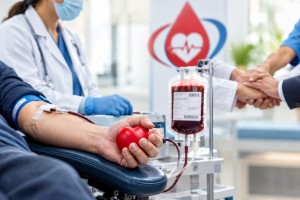
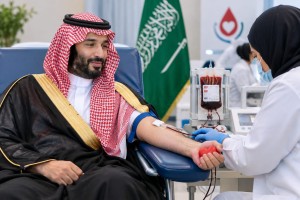
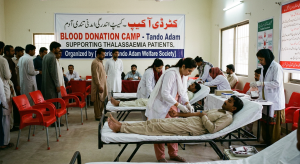
To address the crisis, the WHO and the Pakistan Institute of Medical Sciences (PIMS) organized a blood donation drive, which saw approximately 150 volunteers participate under the theme: "Give blood, give hope – together we save lives."
WHO Representative in Pakistan, Dr. Dapeng Luo, stressed the life-saving potential of voluntary action:
"Every patient who needs blood should be able to receive it. ... With a single donation, each of us can save up to three lives."
Voluntary donations are considered the safest and most sustainable source of blood, as these donors are less likely to transmit infectious diseases.
Pakistan’s Director General of Health, Shabana Saleem, welcomed WHO's technical support, noting it would lead to improved screening and testing. "Giving blood is giving life, and together we can do this," she said, confirming the government is in the process of revitalizing its Regional Blood Transfusion Centers.
The WHO affirmed its commitment to supporting Pakistan in strengthening its blood banks and promoting standardized screening methods to ensure a sufficient supply of safe blood for all citizens.