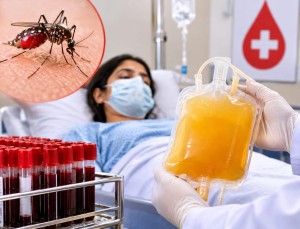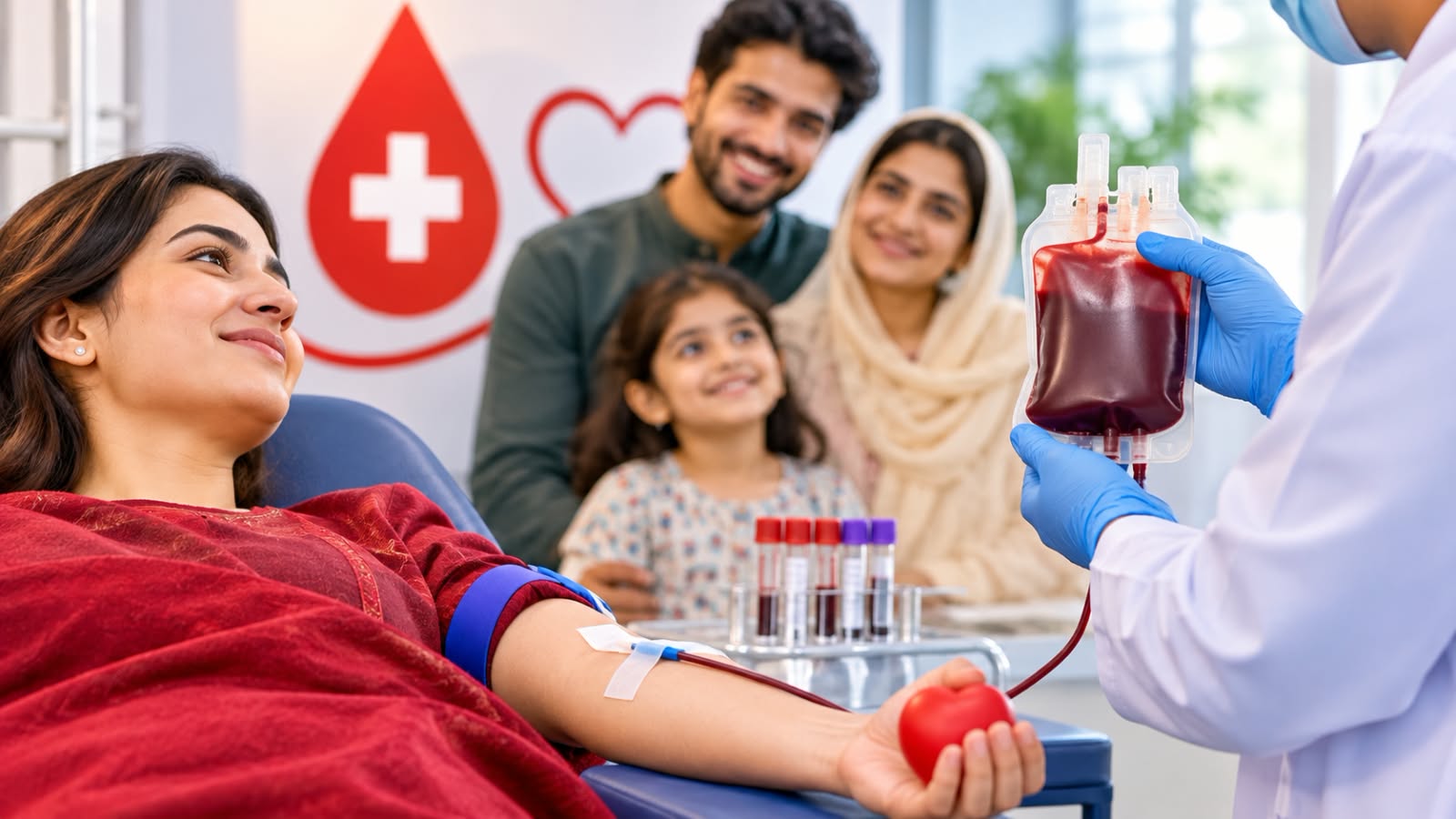
Thalassemia major is a lifelong inherited blood disorder that requires patients to receive regular blood transfusions, often every two to five weeks, to manage severe anemia and prevent life-threatening complications. The treatment places a significant financial and emotional burden on patients, families, and healthcare systems, particularly in developing countries, where annual treatment costs can reach tens of thousands of dollars per patient.
Health experts emphasize that combining regular voluntary blood donations with early screening and preventive healthcare offers an effective approach to reducing the long-term impact of thalassemia. While blood donations remain essential for patients who depend on transfusions, genetic screening can help identify carriers and enable couples to make informed family-planning decisions.
Thalassemia occurs when the body produces insufficient or abnormal globin chains, affecting the production of healthy hemoglobin. Around 5.2% of the global population is estimated to carry a clinically significant hemoglobin variant, contributing to the birth of hundreds of thousands of children with severe hemoglobin disorders each year. The disease is particularly prevalent in South Asia, the Middle East, the Mediterranean region, Africa, Southeast Asia, and southern China.
Carrier screening and genetic testing can identify individuals who carry thalassemia-related genetic mutations. When both parents are carriers of pathogenic variants associated with the disease, each pregnancy has a 25% chance of resulting in a child with a severe form of thalassemia. Early identification allows couples to explore available reproductive and family-planning options with appropriate medical guidance.
Several countries have demonstrated the benefits of organized prevention programmes. Saudi Arabia and Iran, for example, have reported significant reductions in births affected by severe thalassemia following the introduction of premarital screening initiatives. Research in Thailand has also indicated that integrating genetic testing into conventional screening programmes can improve diagnostic accuracy and provide long-term economic benefits.
Experts highlight that genetic testing can detect a wider range of disease-causing mutations, including rare variants that may be missed by conventional screening methods. However, the success of these programmes depends on public awareness, affordable testing, accessible healthcare services, and appropriate genetic counselling.
Education also plays a vital role in encouraging people to undergo screening. A global survey found that 84.5% of women were more willing to consider thalassemia testing after learning about the disease's health consequences and financial impact. Health professionals therefore recommend integrating screening into routine healthcare, adolescent health services, premarital assessments, and early pregnancy care.
Medical institutions in countries such as Indonesia are also working to strengthen diagnostic services through advanced genetic sequencing technologies and partnerships with precision medicine companies. These initiatives aim to improve diagnostic accuracy, expand access to molecular testing, and support the development of local genetic databases.
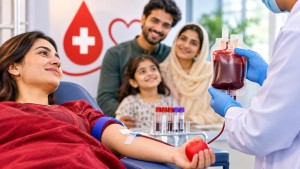
Ultimately, a dual strategy of voluntary blood donation and early thalassemia screening offers a practical way to address both present and future challenges. Consistent blood donations can help sustain the lives of patients who already depend on transfusions, while accessible screening, genetic counselling, and public education can help reduce the number of children born with severe forms of the disease.
References:
https://www.news-medical.net/news/20260615/Double-strategy-of-blood-donation-and-early-screening-offers-hope-for-families.aspx