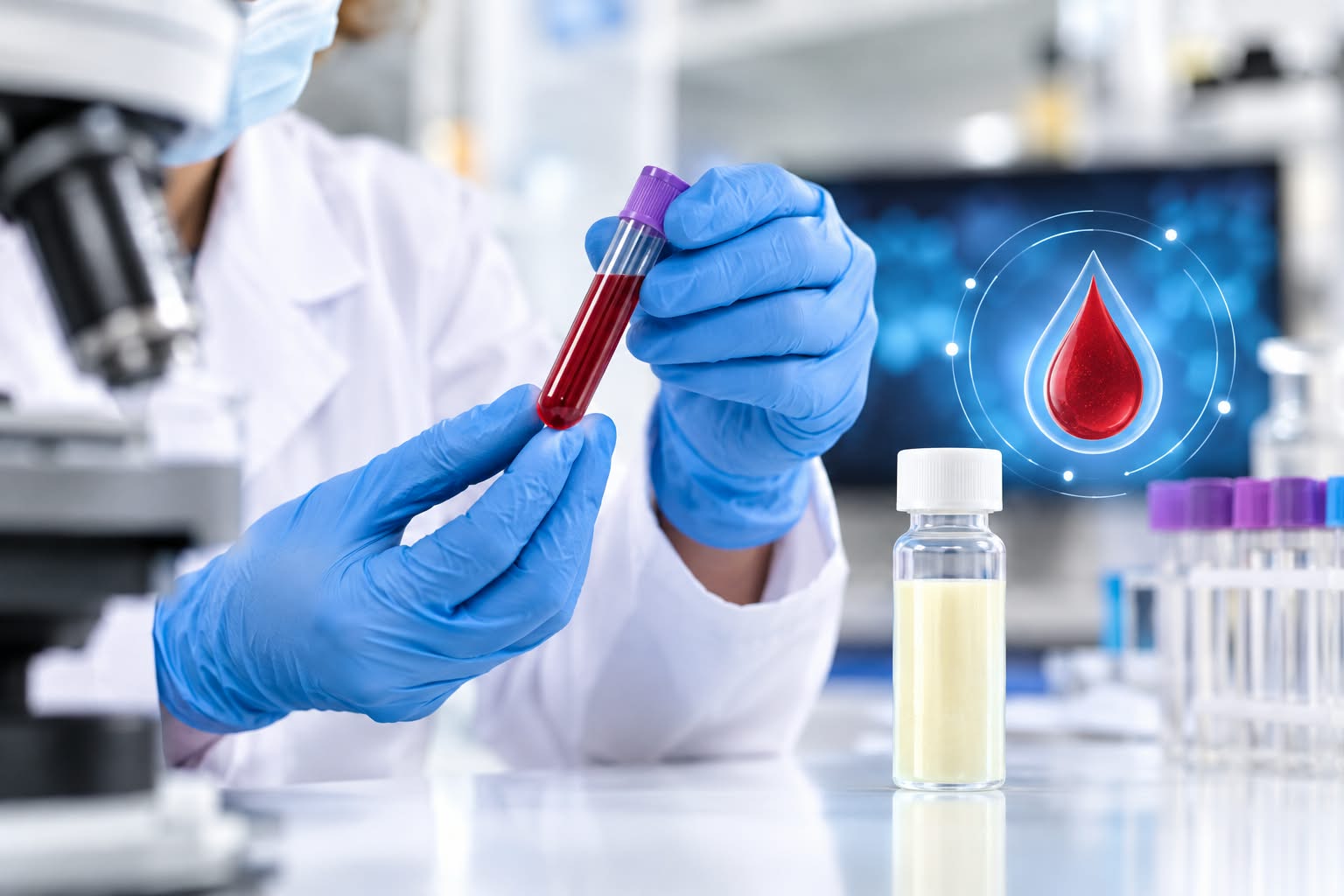
Researchers at the University of Missouri-Kansas City have reported a promising experimental discovery that could potentially offer an alternative treatment for patients experiencing severe blood loss. Developed by Dr. Cuthbert Simpkins, a surgeon and research scientist, the experimental product, known as VBI-1, uses nanoparticle technology and has shown encouraging results in animal studies. The researcher describes it as a potential alternative to traditional blood transfusions.
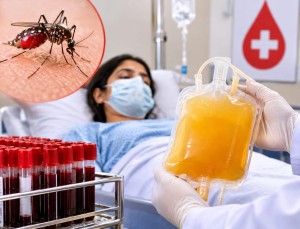
Severe blood loss, medically known as haemorrhagic shock, is a life-threatening condition commonly associated with traumatic injuries such as car accidents and gunshot wounds. Blood transfusions remain a standard treatment for restoring blood volume and supporting patients experiencing critical blood loss. However, shortages of donated blood and complications associated with transfusions continue to create challenges for healthcare systems.
The discovery emerged during Dr. Simpkins' research into treatments for septic shock. While conducting experiments on mice, his team administered VBI-1 after removing substantial amounts of blood from the animals. According to Simpkins, the mice recovered unexpectedly, prompting further investigation into the substance's potential applications.
The researcher reported survival rates approaching 100% when VBI-1 was administered through the arteries of mice experiencing haemorrhagic shock. He believes the treatment could eventually help address blood shortages and provide emergency medical teams with another option for treating patients with severe blood loss.
One of the potential advantages of VBI-1 is its ability to reduce the risk of ischemia-reperfusion injury, a condition that can occur when blood circulation is restored after a period of restricted blood flow. The process may generate harmful substances that damage tissues and organs, including the brain. Simpkins said experiments suggested that VBI-1 could reduce such damage compared with the animals' own blood being reintroduced into their circulation.
The experimental formulation contains soybean oil, egg lecithin and egg yolk, combined through nanoparticle technology. It is derived from another experimental treatment developed by Simpkins, known as VBI-S, which is being evaluated for its potential role in treating septic shock.
Medical specialists have expressed interest in the discovery while emphasising the need for further research. Dr. Richard Galbraith, a pathologist and director of transfusion medicine at University Health KC, said the treatment could be beneficial if clinical studies establish its safety and effectiveness. However, he cautioned that a completely synthetic replacement for human blood is unlikely to eliminate the need for traditional blood donations and transfusions.
Blood remains essential for numerous medical procedures, including cancer treatment, chronic blood disorders, surgeries and organ transplants. Specialists believe VBI-1 could potentially support emergency treatment during severe blood loss and periods of critical blood shortages, but it cannot currently be considered a proven replacement for donated blood.
Researchers are also exploring additional applications of the technology, including its potential to reduce immune responses and complications following organ transplantation. Members of Simpkins' research team believe further studies could reveal additional medical uses.
Human clinical trials for VBI-1 may begin within the next one to two years, according to Simpkins. He hopes the treatment will eventually receive approval from the US Food and Drug Administration