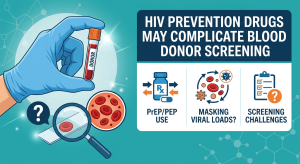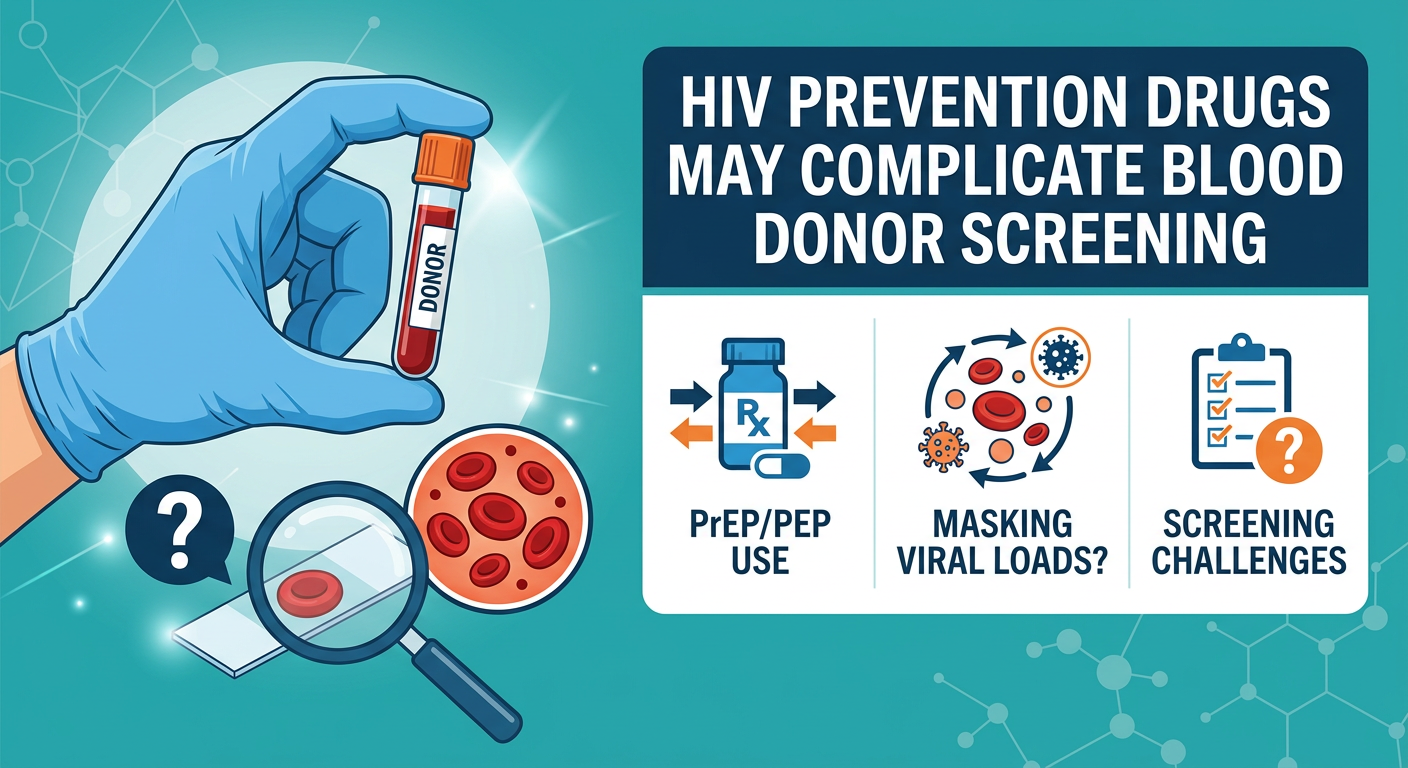
Medication used to prevent HIV, known as pre-exposure prophylaxis (PrEP), is highly effective at reducing the risk of infection. However, its use can complicate blood donor screening, as the medication may suppress the virus and delay or weaken the body's antibody response, making a recent HIV infection harder to detect through standard tests.
Under UK blood donation guidelines, people taking PrEP tablets must wait three months after their last dose before donating blood. Those using long-acting injectable PrEP face a longer waiting period of two years after their final injection. These restrictions serve as an additional safety measure to protect blood recipients from the potential risk of undetected HIV transmission.
Research conducted by scientists found evidence of PrEP-related medications in some blood donations collected in England. In a study of 84 male donors with evidence of current or past syphilis, six samples (7.1%) contained medicines commonly used in PrEP. However, researchers emphasised that the presence of these drugs does not confirm HIV infection or establish why the donors had taken them.
The findings highlight the importance of clear communication between blood services and potential donors. Researchers recommend explaining medication-related restrictions and encouraging people to disclose their medication and sexual health history privately and without fear of judgement.
PrEP remains an important tool in HIV prevention, and people should not stop taking it simply to become eligible to donate blood. Instead, they should consult a healthcare professional before making any changes to their medication. Clear guidance can help maintain public confidence in HIV prevention while protecting the safety of the blood supply.
References:
https://medicalxpress.com/news/2026-11-hiv-medication-highly-effective-complicate.html