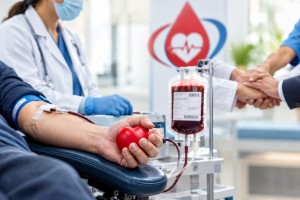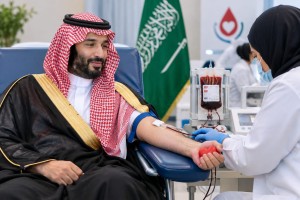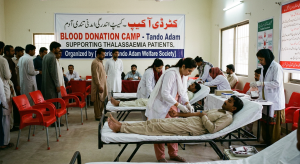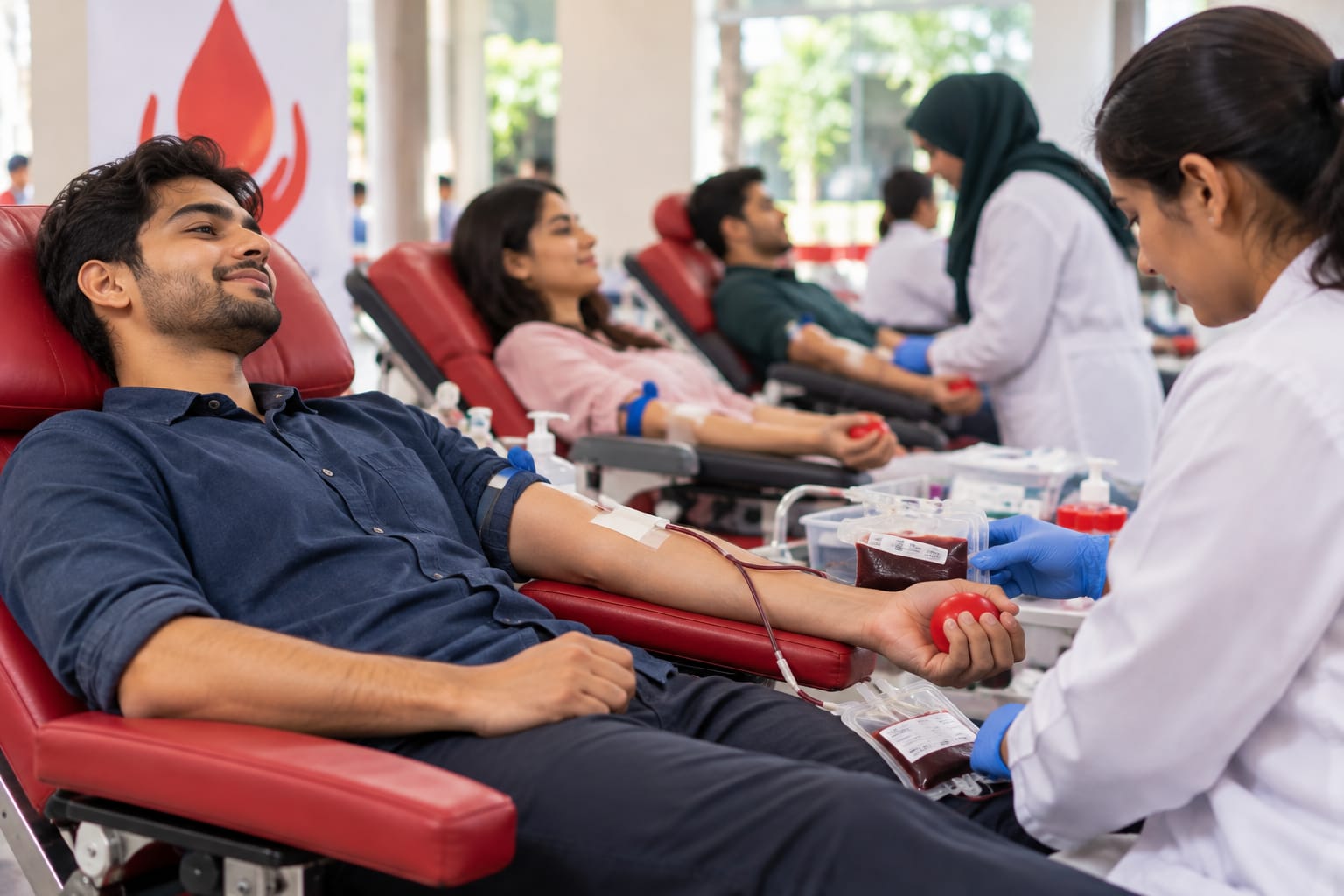
A large randomized trial published in The Lancet suggests that eligible blood donors may be able to donate more frequently without major effects on their quality of life, cognitive function or physical activity. However, the study also found that more frequent donations were associated with lower iron and haemoglobin levels and a higher incidence of minor symptoms.
The trial involved more than 45,000 blood donors in England and examined whether shortening the interval between donations could increase blood supplies without causing significant harm to donors. Under the study schedules, men could donate every eight weeks and women every 12 weeks, compared with the standard UK intervals of 12 weeks for men and 16 weeks for women.
Researchers found that donors following the most frequent schedules provided substantially more blood over the two-year study period. Men donated 33% more blood, equivalent to an additional 1.7 units, while women donated 24% more, or approximately 0.85 additional units, compared with those donating at the least frequent intervals.
Among men, those in the most frequent donation group provided an average of 6.9 units over two years, compared with 5.2 units among those donating least frequently. Women in the most frequent group donated an average of 4.3 units, compared with 3.4 units in the least frequent group.
The researchers reported no significant differences in serious adverse events, quality of life, cognitive function or physical activity between participants who donated most frequently and those who donated least frequently.
However, more frequent donors reported a greater number of symptoms potentially linked to blood donation. These included tiredness, dizziness, breathlessness and feeling faint, while men also reported palpitations and restless legs more frequently.
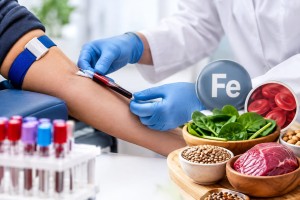
The study also highlighted the effect of frequent donations on iron and haemoglobin levels. More than 30,500 participants provided blood samples at the beginning and end of the trial. Donors who gave blood most frequently generally had lower iron levels and were more likely to develop iron deficiency.
Among men, 24% of those in the most frequent donation group were iron deficient at the end of the study, compared with 12% in the least frequent group. For women, the corresponding figures were 27% and 22%.
Frequent donors were also more likely to have haemoglobin levels below the minimum threshold required for donation. As a result, around one-third of participants in the most frequent donation groups had their blood donation postponed at least once because their haemoglobin levels were too low.
The researchers noted that lower iron and haemoglobin levels did not fully explain the higher frequency of symptoms among frequent donors and said further research is needed to understand the underlying causes.
The trial included 45,042 donors aged 18 or older across 25 centres in England. Participants were divided into different donation schedules and were followed for two years. They completed health questionnaires at the beginning and at six, 12 and 18 months, as well as at the end of the study. Researchers assessed quality of life, physical activity, cognitive function and symptoms associated with blood donation, alongside haemoglobin and iron measurements.
The findings could have implications for blood services facing challenges such as an ageing population, increased demand for transfusions and difficulties attracting and retaining younger donors. More frequent donations could potentially increase supplies of commonly used and rarer blood groups, although donor iron levels and haemoglobin would need to be carefully monitored.
The researchers suggested that future blood donation systems could move toward more personalized donation intervals based on individual donor characteristics. The study found that people with higher body weight and greater initial iron stores were able to provide more blood during the trial.
Blood donation policies vary internationally. At the time of the study, men in the UK could donate every 12 weeks and women every 16 weeks, while donation intervals in countries such as the United States, France and Germany were generally shorter.
In a linked commentary, Professor Edward Murphy of the University of California, San Francisco, highlighted the amount of iron removed during each whole-blood donation and the risk of iron deficiency among frequent donors. He argued that blood services can use donor monitoring to adjust donation intervals or consider iron supplementation where appropriate.
Overall, the study indicates that more frequent blood donation can increase blood collection without producing major differences in several measures of donor wellbeing. At the same time, the findings underscore the importance of monitoring iron and haemoglobin levels and managing minor symptoms among people who donate blood regularly.
References:
https://www.news-medical.net/news/20170925/Study-suggests-frequent-blood-donation-as-feasible-and-safe-option-for-donors.aspx