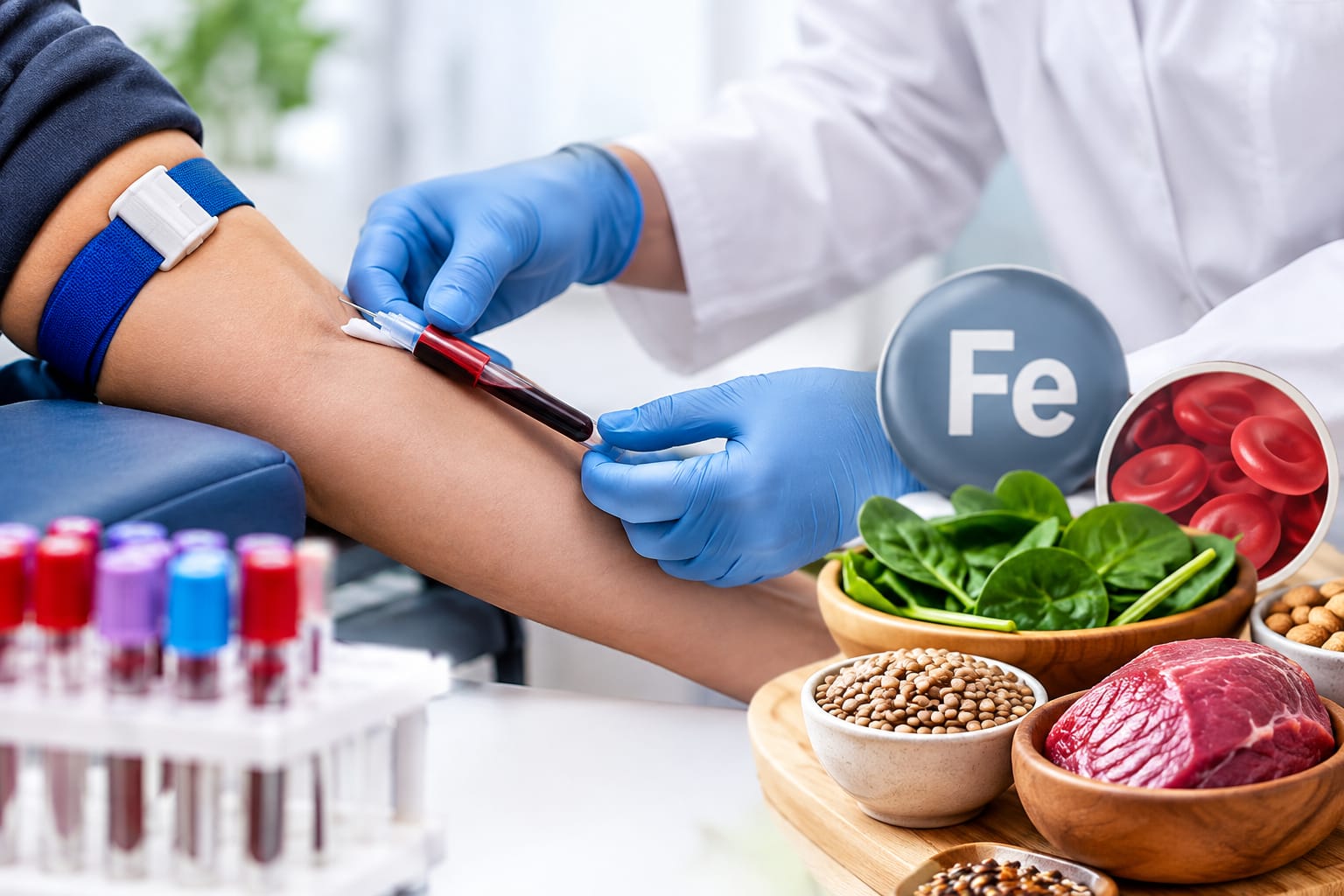
he American Society of Hematology (ASH) has introduced new 2026 evidence-based guidelines recommending higher ferritin thresholds to improve the diagnosis of iron deficiency in children, adults, menstruating individuals, and pregnant women. Published in Blood Advances, the guidelines aim to help healthcare professionals identify depleted iron stores earlier, including in patients who do not have anemia.
Iron deficiency can cause fatigue, headaches, irritability, and restless legs syndrome. However, existing diagnostic thresholds may overlook some individuals with low iron stores, contributing to delayed diagnosis and treatment.
Under the updated recommendations, the suggested ferritin threshold for children aged 9 months to 4 years increases from 12 ng/mL to 20 ng/mL. For most adults and menstruating individuals, the recommended threshold rises from 15 ng/mL to 30 ng/mL. Higher thresholds of up to 50 ng/mL may be appropriate in certain circumstances, including heavy menstrual bleeding, pregnancy-related concerns, ongoing risk factors, or symptoms of iron deficiency.
For adults with anemia associated with inflammation, the guidelines recommend assessing both serum ferritin and transferrin saturation (TSAT), as inflammation can increase ferritin levels even when iron stores are depleted.
The recommendations were developed following a systematic review of available evidence, but most are based on low- or very-low-certainty evidence. The panel emphasizes that ferritin results should be interpreted alongside symptoms, medical history, individual risk factors, and clinical findings.
The updated guidance is intended to support more consistent and timely diagnosis, rather than automatically trigger iron supplementation. Healthcare professionals should consider the potential benefits of earlier detection alongside the risks of overdiagnosis, unnecessary testing, and inappropriate treatment. Further research is needed to establish the effectiveness and long-term impact of the revised thresholds.