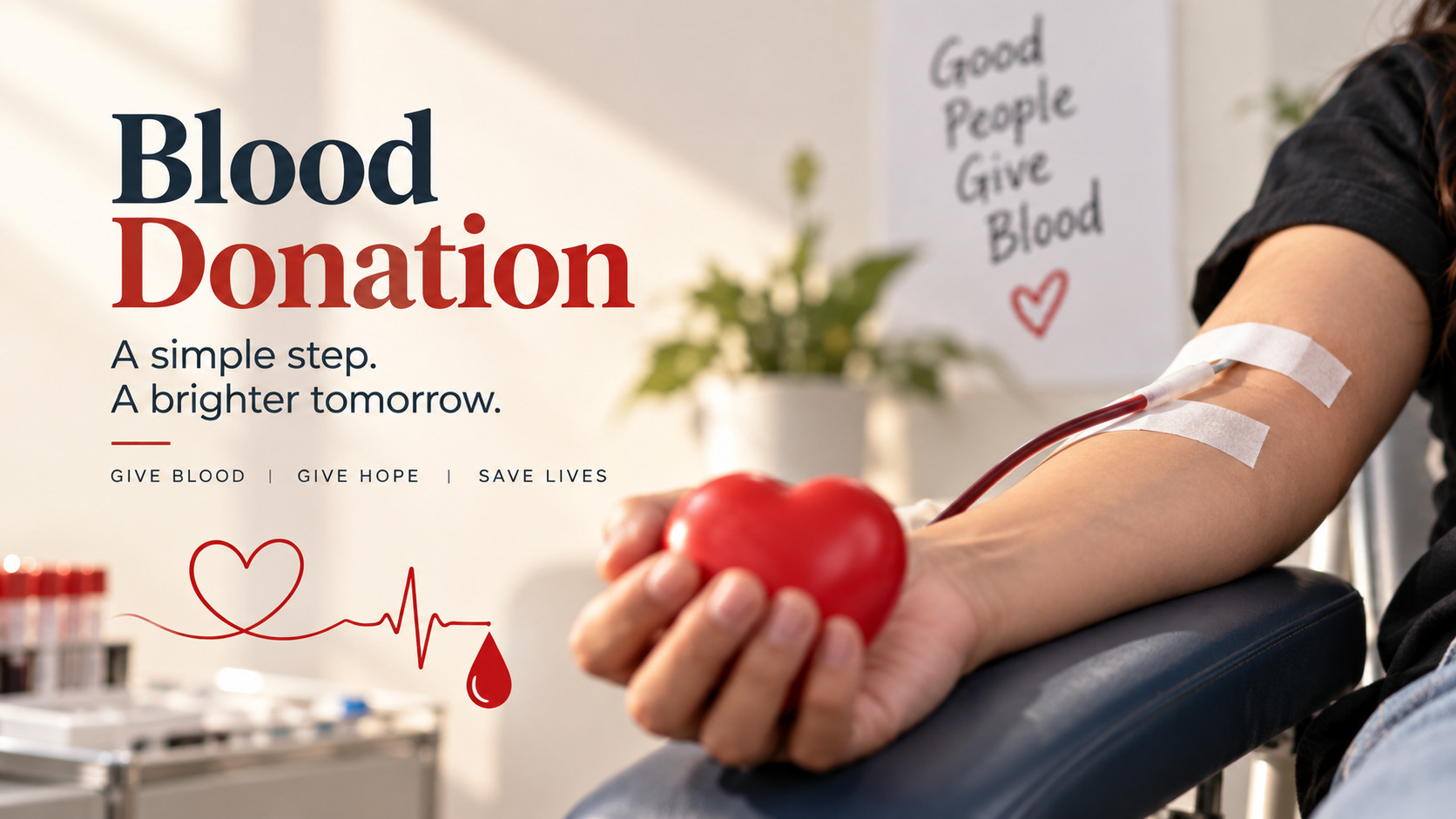
Blood donation is one of the simplest ways to support someone in a medical emergency. Donated blood may be needed by patients undergoing major surgery, recovering from serious injuries, experiencing severe blood loss, or receiving treatment for conditions that require transfusion.
Yet many potential donors hesitate because they are unsure about what happens before and after donating. Will it hurt? Should you eat beforehand? Can you feel weak afterward? How quickly does the body replace the donated blood?
Understanding the process can make blood donation less intimidating and help donors prepare safely.
Before You Donate: A Little Preparation Goes a Long Way
1. Eat a proper meal
You generally should not donate blood on an empty stomach. Having a normal, balanced meal before donation can help you feel more comfortable and may reduce the chance of feeling faint.
Choose a balanced meal containing foods such as eggs, bread or roti, rice, vegetables, beans, lentils, or meat.
It is also useful to include iron-rich foods regularly in your diet because your body needs iron to produce new red blood cells. Good sources include meat, eggs, beans, lentils, chickpeas, leafy greens, and iron-fortified foods. Vitamin C can also improve the absorption of iron from plant-based foods. (Red Cross Blood)
2. Drink enough fluids
Hydration is important before and after donating blood. Drinking water before your appointment can help you stay comfortable during the donation process.
You do not need special drinks or supplements. For most healthy donors, ordinary water and a balanced diet are sufficient.
WHO recommends drinking plenty of fluids after donation, while blood-donation services commonly advise additional fluids around the time of donation. (World Health Organization)
3. Get enough rest
Try to have a good night’s sleep before donating. If you are already feeling unwell, unusually tired, feverish, or dehydrated, tell the donation staff rather than donating without informing them.
4. Be honest during screening
Before donating, you will usually be asked questions about your health, medications, recent illnesses, travel, and other factors that may affect donor or recipient safety.
Answer these questions honestly.
The screening process is not meant to judge you. It exists to protect both the donor and the person receiving the blood. WHO recommends assessing donor suitability at each donation to protect donor health and the safety of recipients. (World Health Organization)
What Happens During Blood Donation?
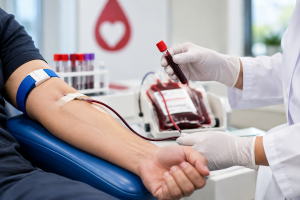
For a whole-blood donation, a trained healthcare professional collects blood using sterile, single-use equipment.
The needle insertion may cause a brief pinch or discomfort. The actual blood collection generally takes only several minutes, although the complete visit—including registration, screening, donation, and recovery—takes longer.
In many countries, approximately 450 mL of blood is collected during a standard whole-blood donation, although the amount can vary according to local practice. WHO notes that this is less than 10% of an average adult’s total blood volume. (World Health Organization)
If you feel dizzy, nauseated, sweaty, or uncomfortable at any point, tell the staff immediately.
After Donation: Take Care of Yourself
Rest for a short while
After donating, you will usually be asked to rest and have something to eat or drink before leaving.
Do not rush away immediately after donation. Give your body a little time to adjust.
Continue drinking fluids
Keep drinking water during the rest of the day. WHO recommends drinking plenty of fluids over the following 24 hours. (World Health Organization)
Avoid strenuous activity immediately afterward
Give yourself time to recover before doing intense exercise, heavy lifting, or physically demanding work. The American Red Cross recommends avoiding strenuous exercise and heavy lifting for the rest of the day after donation. (Red Cross Blood)
Look after the donation site
A small amount of bruising or soreness around the needle site can occur.
If the site begins bleeding after you leave, apply firm pressure as instructed by the donation service. If bleeding does not stop or you develop concerning symptoms, seek medical advice.
What About Weakness After Blood Donation?
Some people feel completely normal after donating, while others may experience temporary tiredness, light-headedness, sweating, or weakness.
If you feel faint, sit or lie down until you feel better and inform the donation staff. Do not try to immediately walk away or continue activities while feeling dizzy.
If symptoms are severe, persistent, or concerning, seek medical attention.
Does Blood Donation Cause Long-Term Weakness?
For eligible healthy donors, blood donation is generally considered safe when performed through an appropriate blood-donation service with proper screening.
However, donating blood does remove red blood cells and iron from the body. This is one reason why donor eligibility requirements and donation intervals exist.
People with anemia, certain medical conditions, some infections, or other circumstances may be temporarily or permanently deferred from donating. Pregnancy and certain medications can also affect eligibility. The exact criteria vary between countries and blood services. (World Health Organization)
Never donate simply because someone urgently needs blood if you are not medically eligible. Donor safety matters too.
Who Can Donate?
Eligibility requirements vary depending on the blood service and national regulations. Potential donors are screened before donation to determine whether donating is safe for them and whether their blood can be safely used.
WHO notes that basic eligibility criteria commonly include being in good health, while age, weight, medical history, medications, recent illness, travel, and other factors may affect eligibility. National requirements should always be followed. (World Health Organization)
If you are unsure whether you can donate, contact an authorised blood-donation service and ask about your eligibility rather than relying on social media posts or word of mouth.
Your Blood Can Become Someone’s Lifeline
For a donor, giving blood may take only a small amount of time.
For a patient and their family, however, that donation can represent something much bigger: a chance to continue treatment, undergo surgery, recover from blood loss, or receive care during a critical moment.
Blood transfusion services depend on suitable donors to maintain a safe and sufficient blood supply. WHO emphasizes the importance of voluntary blood donation and rigorous screening of donated blood to protect both donors and recipients. (World Health Organization)
The next time you see a request for blood, remember that behind that request is a person waiting for help.
If you are eligible, healthy, and willing to donate, consider registering with a reliable blood-donation service and becoming part of a community of voluntary donors.
Donate when you can. Share reliable information. Encourage others to become donors.
Sometimes, a small act from one person can become a lifeline for another.
About the Author
Shehr Bano is a fourth-year MBBS student with an interest in clinical medicine, public health, medical education, research, and evidence-based healthcare. She is passionate about making health information easier to understand and more accessible to the wider community.
Connect with the author: LinkedIn
References
- World Health Organisation. Blood products: Why should I donate blood? WHO. WHO – Blood Products: Why Should I Donate Blood?
- World Health Organisation. Blood donor selection: Guidelines on assessing donor suitability for blood donation. WHO. WHO – Blood Donor Selection Guidelines
- World Health Organisation. Who can give blood? World Blood Donor Day. WHO – Who Can Give Blood
- American Red Cross. How to Be a Healthy Blood Donor. American Red Cross – Healthy Blood Donor
- American Red Cross. Tips for a Successful Blood Donation. American Red Cross – Before, During and After Donation