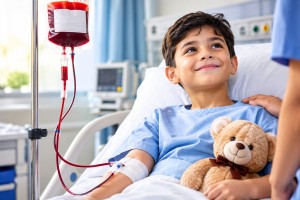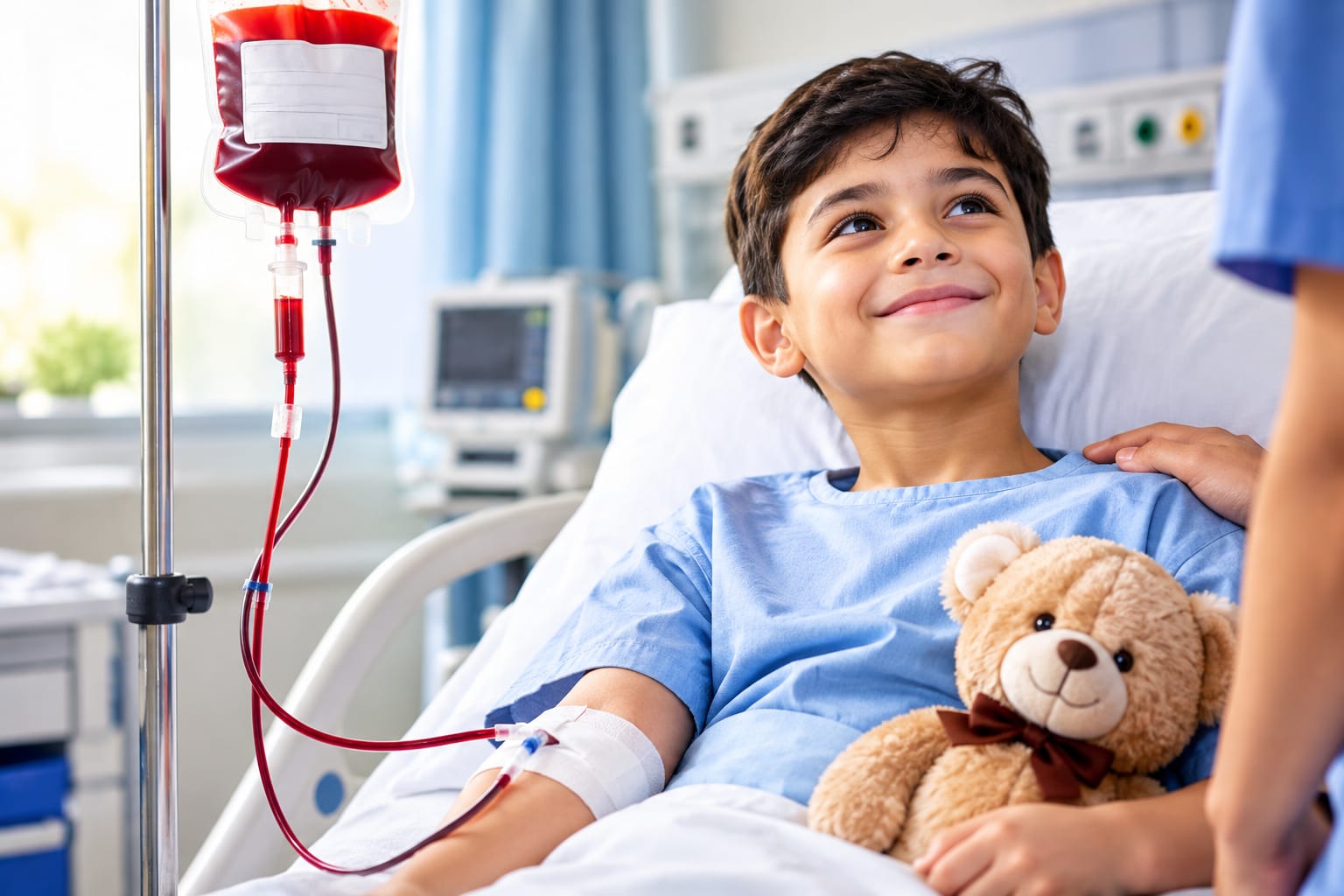
A nine-year-old boy with an extremely rare blood type has made a remarkable recovery from a potentially life-threatening blood disorder after receiving multiple rare blood transfusions.
Qasim Rizwan from Bolton was diagnosed with autoimmune haemolytic anaemia (AIHA), a rare condition in which the immune system mistakenly attacks and destroys red blood cells faster than the body can replace them. His condition became critical after doctors initially struggled to find compatible blood.
Experts at NHS Blood and Transplant (NHSBT) identified Qasim as having a rare Rhesus blood subtype known as r’r’, which is found in roughly one in 10,000 people. Only around 50 known blood donors have this rare blood type.
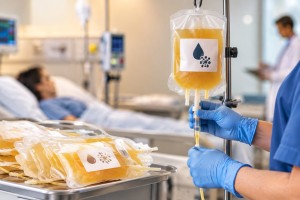
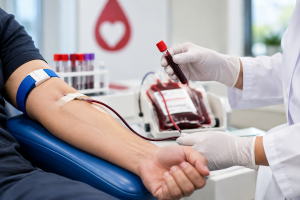
To save his life, NHSBT urgently defrosted and supplied all six matching blood units available at its national frozen blood bank in Liverpool. Another compatible unit was sent from the Colindale facility, while a rare donor was also specifically contacted to donate blood. One of the transfused units had been donated when Qasim was just eight days old.
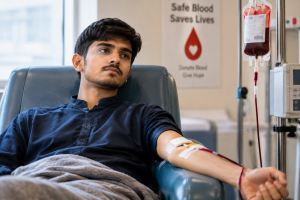
The blood transfusions were administered alongside steroids, immunoglobulin and other medication to treat his autoimmune haemolytic anaemia. Qasim spent around three weeks in hospital as doctors worked to control the condition.
The illness had developed suddenly after Qasim had previously been a healthy and active child. His mother, Mahnaz Nazar, said he developed yellowing of the eyes and skin, a rapid heartbeat and severe breathlessness before doctors identified the blood disorder.
After recovering, Qasim said he feels as though his “life has restarted” and expressed his gratitude to the doctors, scientists and blood donors who helped save him.
AIHA affects around 1,200 people in the UK each year and can cause severe anaemia, extreme tiredness, rapid heartbeat and jaundice. Qasim’s case highlights the critical importance of rare blood donors and specialist blood banks in providing lifesaving transfusions for patients with uncommon blood types.