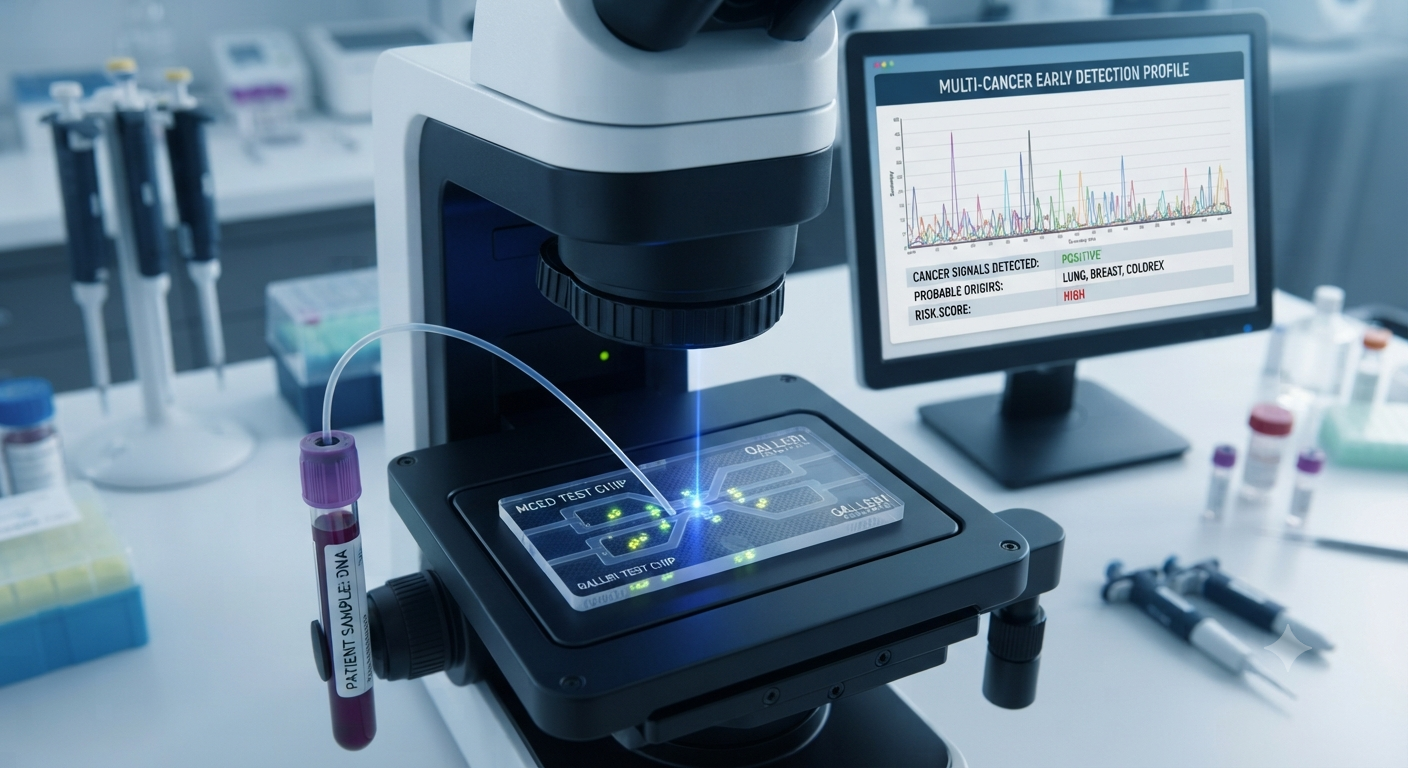
The prospect of detecting early-stage cancer through a single blood draw is no longer just a hypothetical concept. A new generation of multi-cancer early detection (MCED) tests is being developed to identify abnormal DNA fragments circulating in the bloodstream. Because cancer cells shed DNA as they die, these tests seek to identify unique "fingerprints" that may indicate the presence of over 50 types of cancer, including major ones like breast, lung, and prostate cancer.
Beyond Traditional Screening
Current medical standards rely on cancer-specific screenings, such as mammograms or Pap smears, which only cover a small fraction of potential cancer types. The American Cancer Society notes that nearly half of all cancer diagnoses in the U.S. currently have no recommended screening protocol. By identifying DNA patterns that provide clues to a tumor's origin, the Galleri® blood test—a leading example of this technology—seeks to fill this gap. However, any positive result remains a preliminary indicator and requires further diagnostic testing to confirm a diagnosis.
The Regulatory and Scientific Landscape
While the potential of these tests is described as "exciting" by the National Cancer Institute (NCI), they have not yet received FDA approval. Because some exist as lab-developed tests, they are currently available for clinicians to order, though the NCI urges caution, noting that it is currently unclear if the benefits of public use outweigh potential harms.
What the Data Tells Us
Research into the efficacy of these tests has yielded complex results:
-
Sensitivity Limitations: A study in The Lancet Oncology showed that the test's ability to detect cancer varies significantly by stage, with approximately 24% sensitivity for stage I cancer compared to 95% for stage IV, resulting in an overall sensitivity of 66.3%.
-
Mixed Trial Outcomes: A major trial with the U.K.’s National Health Service (NHS) did not meet its primary goal of significantly reducing late-stage diagnoses across the total participant group.
-
A Glimmer of Hope: Despite the primary results, later rounds of the NHS trial showed a reduction in stage IV cancers and an increase in early-stage (I-III) detections among participants.
Professor Charles Swanton, a co-chief investigator for the NHS-Galleri trial, emphasizes the clinical significance of these findings: “The stage 4 reduction is clinically meaningful because for many cancers there is a real gulf in outlook between a stage 4 diagnosis and one caught earlier”. The ultimate goal of this technology is to shift the medical conversation from palliative management toward curative treatment.