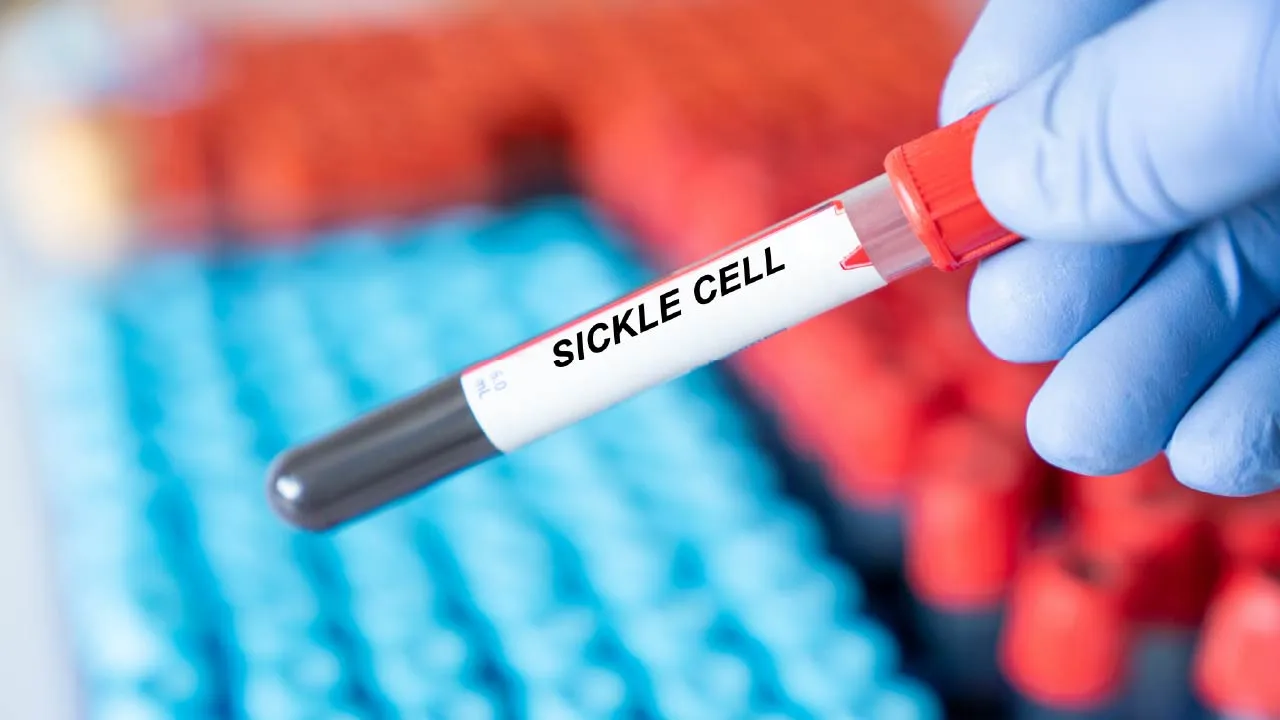
Sickle cell disease (SCD) and beta thalassemia (BT) are inherited blood disorders caused by single-gene mutations that disrupt hemoglobin, the essential protein responsible for oxygen transport in red blood cells. SCD causes red blood cells to become sickle-shaped, which can lead to vessel blockages, intense pain, and organ damage. In contrast, BT causes a deficiency in beta globin chains, resulting in severe anemia that frequently necessitates lifelong blood transfusions. These conditions primarily impact individuals of South Asian, Middle Eastern, Mediterranean, Caribbean, and African descent, with approximately 17,500 people in the UK living with SCD and 1,000 with BT.
Current Care and Emerging Therapies
Standard treatment for these conditions involves blood transfusions, drugs like hydroxyurea for SCD or luspatercept for BT, and iron chelation therapy to address iron overload. While bone marrow transplantation is currently the only established cure, it is constrained by donor shortages and the risk of complications like graft-versus-host disease.
Advancements in precision medicine have introduced gene-editing therapies as a transformative alternative. In 2023, the UK approved exa-cel, a CRISPR-Cas9 therapy that modifies a patient’s own stem cells to restart the production of fetal hemoglobin. Currently, the National Institute for Health and Care Excellence (NICE) recommends this therapy under a managed access scheme for patients 12 and older who suffer from severe disease and lack a suitable transplant donor.
Persistent Clinical and Systemic Challenges
Despite these medical breakthroughs, significant barriers remain to widespread treatment:
-
Medical Complexity: Gene therapy requires specialized facilities, highly trained personnel, and high-dose chemotherapy prior to the procedure.
-
Health Risks: Patients undergoing these advanced treatments face potential long-term side effects, including infection, infertility, and an increased risk of cancer.
-
Economic and Equitable Access: With a per-dose cost exceeding £1.5 million, the therapy is extremely expensive, though the NHS has secured a commercial agreement for its use.
-
Healthcare Inequalities: Affected populations continue to face systemic challenges, such as shortages of specialist staff and reported racial disparities, highlighting an urgent need for more equitable and culturally competent care.