In Pakistan, the widespread practice of consanguineous marriage or marriage between cousins is contributing to a significant rise in hereditary genetic disorders. While these traditions are deeply embedded in tribal, caste, and religious structures, they are increasingly linked to severe health outcomes for children.
The Clinical Reality of Inbreeding
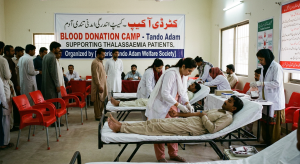
Research indicates that the high prevalence of consanguinity in the Pakistani population has led to a substantial burden of genetic mutations. According to a 2017 report, more than 1,000 mutations have been identified across 130 different genetic disorders. Pediatrician Huma Arshad Cheema notes that specific disorders are often concentrated within certain castes and tribes where inter-marriage is frequent. A prominent example is Thalassemia, an inherited blood disorder that prevents red blood cells from efficiently absorbing oxygen.
Cultural and Religious Barriers to Change
Despite the medical risks, social pressure to marry within the extended family remains immense, with families often fearing ostracization if they deviate from custom. Many believe these unions are mandated by Islamic religious doctrine and traditions. Health experts like Seraj ud Daulah have attempted to engage religious leaders to help create awareness, but have frequently faced resistance from clerics who view such marriages as being in full accordance with Islamic Sharia law. Furthermore, in many provinces, marrying outside of one’s tribe or clan is considered a major social taboo, in some cases leading to severe tribal conflict.
Public Health Interventions and Future Outlook
Recognizing the crisis, the Punjab government established a task force in 2020 to focus on the prevention of genetic diseases. Initiatives now include:
-
Genetic Screening: Hospitals, such as the Children’s Hospital in Lahore, are providing free genetic screening services through partnerships with international diagnostic organizations.
-
Pre-natal Guidance: Officials emphasize that pre-natal screenings can assist parents in making informed decisions and allow for earlier medical interventions for children born with hereditary conditions.
-
Community Data: Health authorities have already screened 30,000 families suspected of carrying genetic disorders, working to track and manage these conditions through a specialized national database.
Experts caution, however, that medical interventions alone are insufficient. Changing the public mindset remains the greatest hurdle, as many families rely on faith-based perspectives that often discount medical logic. Experts suggest that sustained, government-backed awareness campaigns involving religious leadership are essential to effectively address the rising number of genetic disorders in the country.