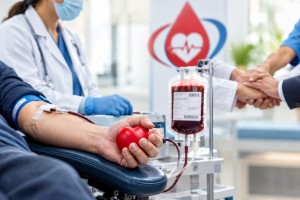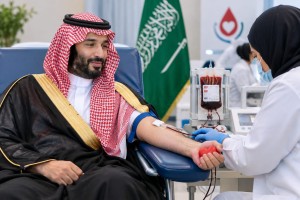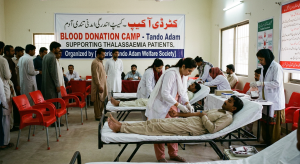
While hospitals often take center stage in public perception, blood banks are the invisible, essential infrastructure of modern medicine. Across every continent, the ability to perform life-saving surgeries, manage emergency trauma, and treat complex chronic illnesses depends entirely on a consistent, safe, and available supply of blood products.
This is a challenge that transcends borders. Regardless of a nation's wealth or medical infrastructure, the need for blood is universal and the struggle to maintain an adequate supply is a shared global hurdle.
The Challenge of Sustainability
Public health officials worldwide face the same recurring dilemma: blood components have a finite shelf life and cannot be stockpiled indefinitely. While sophisticated, centralized networks exist to manage national inventories, they are often strained by predictable dips in donations, such as during holiday seasons or public health crises.
Medical leaders globally are now pushing for a paradigm shift. The goal is to move away from "crisis-driven" donation where people only donate after hearing an urgent media plea to a model of consistent, altruistic participation. Achieving this requires an evolution in how society views the act: not as a one-time emergency favor, but as a routine, healthy lifestyle habit.
Bridging the Gap with Technology
Modern transfusion medicine has moved far beyond simple whole-blood collection. Advanced techniques like apheresis allow centers to extract specific life-saving components like platelets or plasma while returning the rest of the blood to the donor.
Furthermore, global networks are increasingly vital for patients with rare blood types. When local supplies are exhausted, international collaboration becomes the only bridge between a patient and recovery. Managing these specialized registries and maintaining the integrity of these donations is a highly precise, industrial-scale operation that requires rigorous, standardized safety protocols to protect both the donor and the recipient.
Debunking Myths and Promoting Wellness
A significant barrier to reaching global donation targets is the persistence of outdated myths. Fears regarding needles, long-term health, or weight fluctuations continue to depress donor numbers worldwide. However, current medical consensus highlights the proactive health benefits of regular donation:
-
Heart Health: Regular donation helps maintain healthy iron levels, which is linked to a reduced risk of cardiovascular stress and potential heart failure.
-
Preventative Monitoring: The donor screening process acts as a routine health check-up, providing individuals with insights into their blood pressure, hemoglobin levels, and overall wellness.
-
Burnout Reduction: The physical act of donating can be part of a healthy, active lifestyle that encourages mindfulness and community responsibility.
The Path Forward: A Social Obligation
The ultimate goal for healthcare systems worldwide is to reach a "self-sufficient" level of blood supply. This requires a cultural transformation where blood donation is viewed as a vital social obligation, similar to vaccinations or public hygiene.
As medical experts emphasize, the true lifeline of any nation’s healthcare system is its repeat donors. By normalizing donation as a routine, health-conscious activity, we can move closer to a world where a shortage of blood is never the reason a life is lost. In an interconnected world, the commitment to donate is one of the most direct ways an individual can contribute to the global standard of health and human resilience.