Thalassemia, a group of inherited blood disorders characterized by hemoglobin gene mutations, requires precise genetic screening to manage oxygen transport issues effectively. Conventional diagnostic techniques including blood counts, electrophoresis, and PCR-based methods often encounter significant hurdles when attempting to identify large deletions, complex mutations, or rare genetic variants.
The Technological Shift to Third-Generation Sequencing
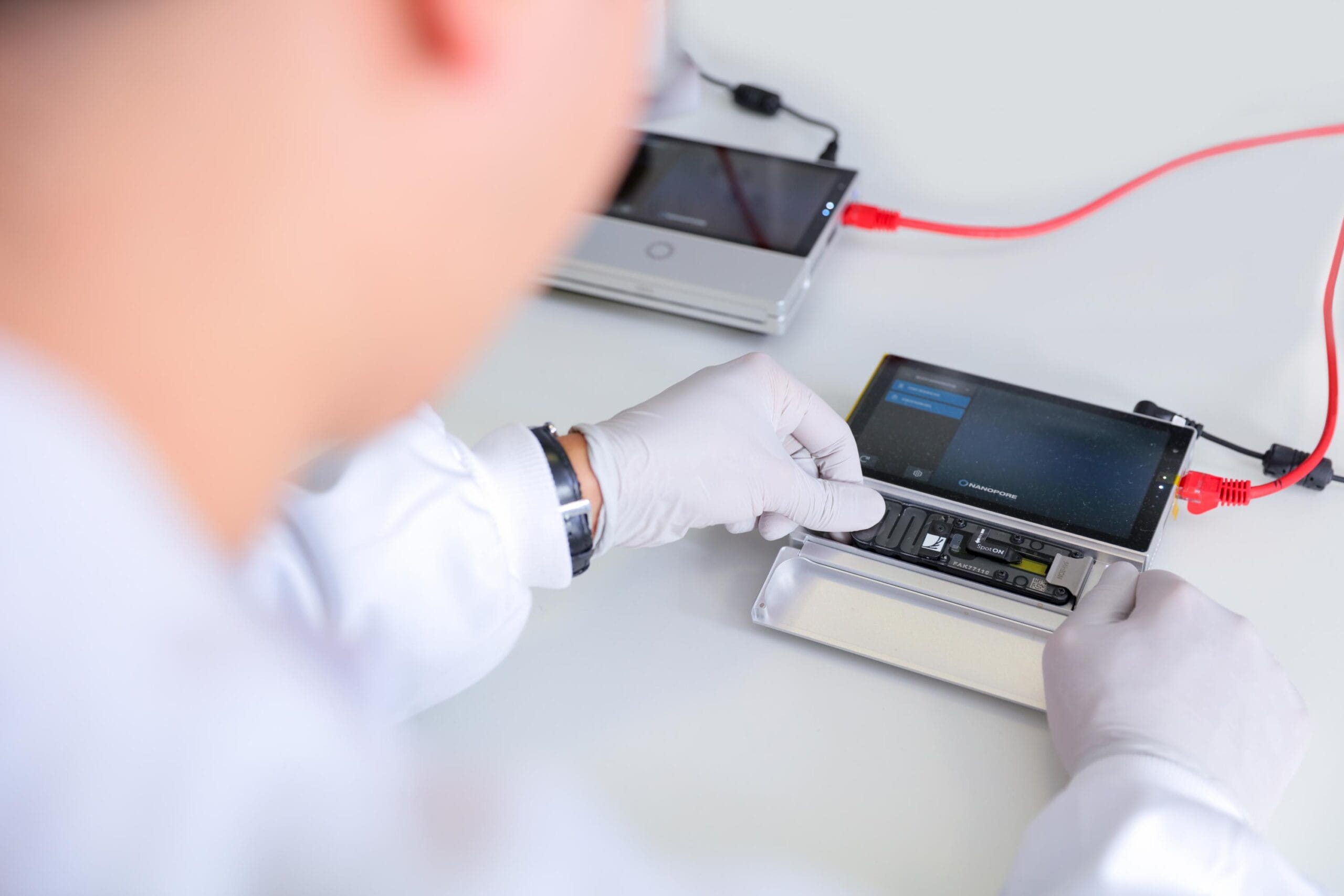
Third-generation sequencing (TGS), which encompasses nanopore sequencing and Single-Molecule Real-Time (SMRT) technologies, represents a transformative development in genetic diagnostics. The primary innovation of TGS is its long-read sequencing capability, which allows for the high-precision mapping of genomic regions—such as those that are highly homologous or structurally complex—that remain difficult for short-read technologies to resolve.
Clinical Advantages and Impact
-
Enhanced Diagnostic Accuracy: TGS significantly improves the identification of rare, complex, and novel mutations that traditional screening methods often fail to detect.
-
Comprehensive Genomic Analysis: By using a single unified test, TGS can detect a wide range of variants, including gene fusions, duplications, and large-scale deletions.
-
Workflow Optimization: TGS reduces the dependency on complex, multi-step testing and extensive PCR amplification, which helps shorten detection cycles and lowers the risk of sample contamination.
-
Strengthened Genetic Counseling: The increased diagnostic clarity provided by TGS supports more accurate phenotype predictions and enables better-informed genetic counseling, which is vital for preimplantation and prenatal testing.
Current Challenges and Future Outlook
Despite the significant potential of TGS, several critical challenges must be navigated before it can be fully integrated into standard clinical workflows:
-
Standardization Needs: There is a pressing need to develop uniform clinical workflows and data interpretation protocols to ensure reliable results.
-
Economic Optimization: While costs are trending downward, further research is required to ensure that TGS is cost-effective enough for routine, large-scale population screening.
-
Bioinformatics Complexity: The advanced analytical requirements for interpreting ultra-long DNA reads demand ongoing development and specialized training for laboratory personnel.
As research continues, TGS is positioned to reshape the landscape of thalassemia management, paving the way for more personalized patient care and more effective disease prevention and control strategies.