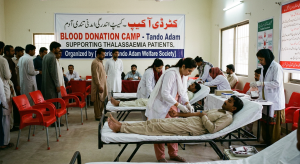
Medical emergencies often highlight a critical gap in public knowledge regarding blood types. While thousands of donations occur daily in Pakistan, blood availability is not uniform, leading to shortages for certain types and extreme scarcity for others.
Blood Group Systems and Prevalence
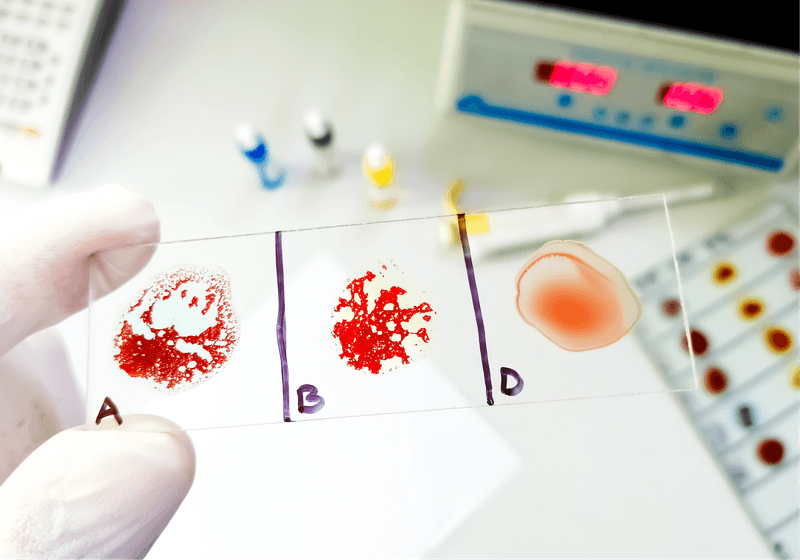
Blood types are categorized by the ABO system (A, B, AB, and O) and the Rh factor (positive or negative), which together form eight major blood types. Based on national screening surveys and regional blood bank statistics, the prevalence rates in Pakistan are as follows:
-
B+ is the most common blood group, accounting for approximately 33% of the population.
-
O+ is the second most common, found in about 30% of the population.
-
A+ is found in approximately 20% of the population.
-
AB+ is found in about 8% of the population.
-
B− is found in approximately 3% of the population.
-
O− is found in about 2.5% of the population.
-
A− is found in approximately 2% of the population.
-
AB− is the rarest of the conventional eight types, found in less than 1% of the population.
Compatibility and Clinical Importance
Transfusion requires immune compatibility to prevent fatal reactions. While O− is the universal red cell donor, AB+ is the universal recipient; additionally, Rh-negative individuals must not receive Rh-positive blood. Specific blood groups are essential for patients with conditions like Thalassemia major and aplastic anemia, or for trauma cases where O− stocks are depleted rapidly. Rare phenotypes also include the "Golden Blood" (Rh null), which lacks all 61 Rh antigens and is extremely rare globally, though it has not yet been officially recorded in Pakistan.
Taking Action
To support the national blood supply, individuals are encouraged to take the following steps:
-
Determine their blood type, as many remain unaware of their group until an emergency arises.
-
Join a rare donor registry if they have rare blood types like O−, AB−, or the Bombay phenotype.
-
Donate consistently; regular donations, even 2–4 times annually, help maintain essential stock levels.
Understanding one’s blood type is a vital contribution to the national healthcare supply chain, as blood cannot be manufactured.